
Home Dialysis Care: What You Need to Know Before Starting
When your kidneys can’t do their job, home dialysis care, a treatment that filters waste and extra fluid from your blood outside a hospital setting. Also known as dialysis at home, it lets you manage your treatment on your own schedule, in your own space. Unlike in-center dialysis, where you go to a clinic three times a week, home dialysis gives you flexibility—whether you’re doing it daily for shorter sessions or overnight while you sleep. It’s not for everyone, but for many, it means better sleep, fewer dietary restrictions, and less disruption to work or family life.
There are two main types: peritoneal dialysis, a method that uses the lining of your abdomen to filter blood and hemodialysis at home, a process that uses a machine to clean your blood through tubes connected to your veins. Peritoneal dialysis is often done daily, using a fluid that flows in and out of your belly. Hemodialysis at home usually happens three to six times a week, taking 2–4 hours each time. Both require training, a clean space, and reliable equipment. You’ll also need to track your weight, blood pressure, and fluid intake closely. Some people worry about infection or machine trouble, but with proper hygiene and backup plans, most manage it without major issues.
Home dialysis care isn’t just about the machine or the fluid—it’s about lifestyle. It works best for people who are motivated, have good support at home, and can follow a routine. It doesn’t replace the need for regular checkups with your nephrologist, but it does shift more responsibility to you. That’s why many of the posts below focus on practical details: how to avoid complications, what supplies to keep on hand, how to handle power outages, and how to recognize early signs of infection. You’ll also find advice on managing side effects like low blood pressure, fatigue, or fluid overload. Some posts even compare costs between home and center-based care, or explain how insurance covers equipment and training.
If you’re considering home dialysis care, you’re not alone. More people are choosing it each year because it fits better with modern life. But it’s not a decision to make lightly. The posts here cover real experiences—from people who switched from clinic dialysis to home treatment, to those who had to pause because of complications. You’ll learn what works, what doesn’t, and what most guides leave out. No fluff. No marketing. Just what you need to know before you start.
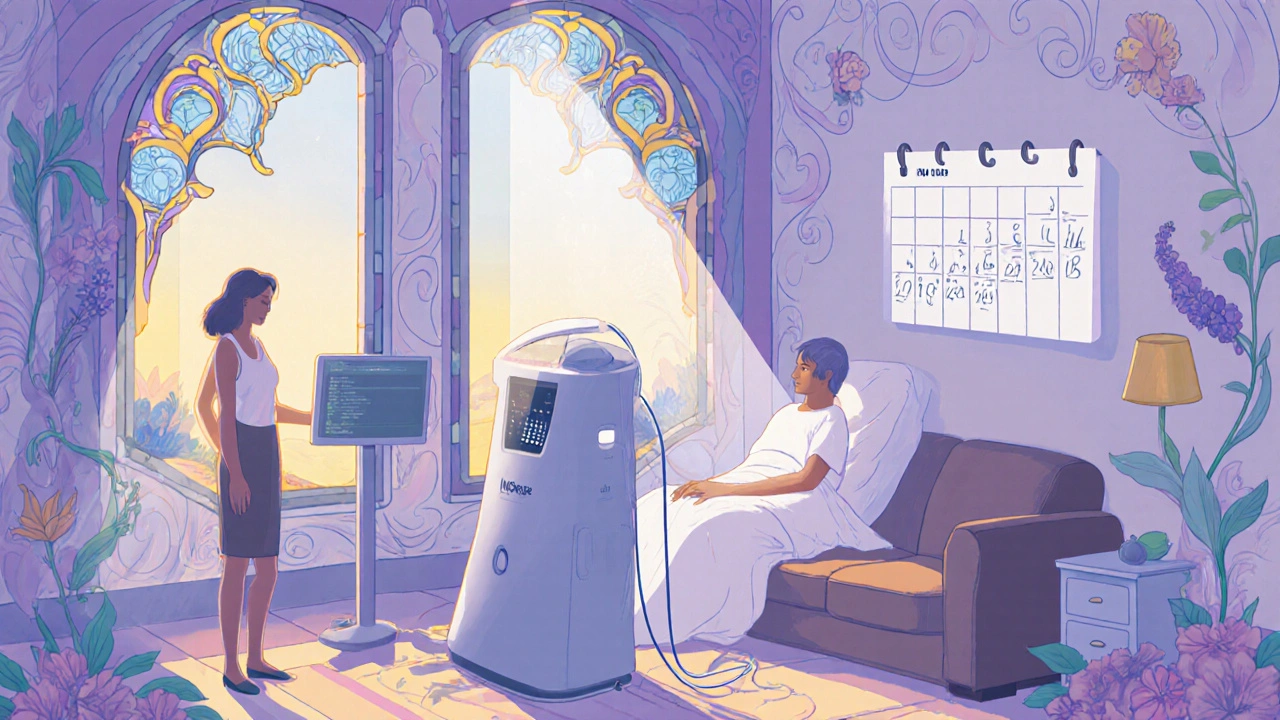
Home Hemodialysis: Schedules, Training, and Outcomes
Caspian Mortensen Nov, 14 2025 8Home hemodialysis offers greater flexibility and better health outcomes than in-center treatments. Learn about training timelines, treatment schedules, care partner requirements, and real-world outcomes for kidney patients managing dialysis at home.
More Detail