
Post-Transplant Care: What You Need to Know About Medications, Monitoring, and Long-Term Health
When you get a new organ, the hard part isn't over—it's just beginning. Post-transplant care, the ongoing medical and lifestyle management after receiving a transplanted organ. Also known as transplant recovery, it's not a one-time event but a daily commitment to keep your body from rejecting the new organ and to avoid dangerous side effects from the drugs that make it possible. Without consistent care, even a successful transplant can fail within months. The biggest threat? Your own immune system. It doesn’t know the new kidney, liver, or heart isn’t an invader. So, you take immunosuppressants, medications that weaken your immune response to prevent organ rejection—every single day, no exceptions. Miss a dose, and your body might start attacking the transplant. Take too much, and you risk infections, cancer, or kidney damage from the drugs themselves.
That’s why transplant medication side effects, the unintended health impacts from drugs used to prevent organ rejection are just as important as the main goal. These drugs don’t just stop rejection—they can raise your blood pressure, wreck your kidneys, cause tremors, or make you gain weight. Some, like cyclosporine or tacrolimus, need regular blood tests to make sure you’re getting the right amount. Too little, and you risk rejection. Too much, and you risk toxicity. And it’s not just about the pills. You also need to watch out for graft rejection, when the body’s immune system attacks the transplanted organ. It doesn’t always come with a fever or pain. Sometimes, it’s just a slow drop in function you won’t notice until it’s too late. That’s why regular blood work, urine tests, and doctor visits aren’t optional—they’re your early warning system.
And it’s not just about drugs and labs. What you eat, how much you move, and whether you smoke or drink all play a role. Some foods interact with your meds—grapefruit, for example, can make immunosuppressants dangerously strong. Infections from colds or even a tick bite can turn serious fast when your immune system is suppressed. That’s why post-transplant care isn’t just something your doctor manages—it’s something you live. You’re not just surviving—you’re learning how to thrive with a new organ inside you. Below, you’ll find real, practical guides on managing these medications, spotting hidden risks, avoiding dangerous interactions, and staying healthy long after the surgery is over. This isn’t theory. It’s what works.
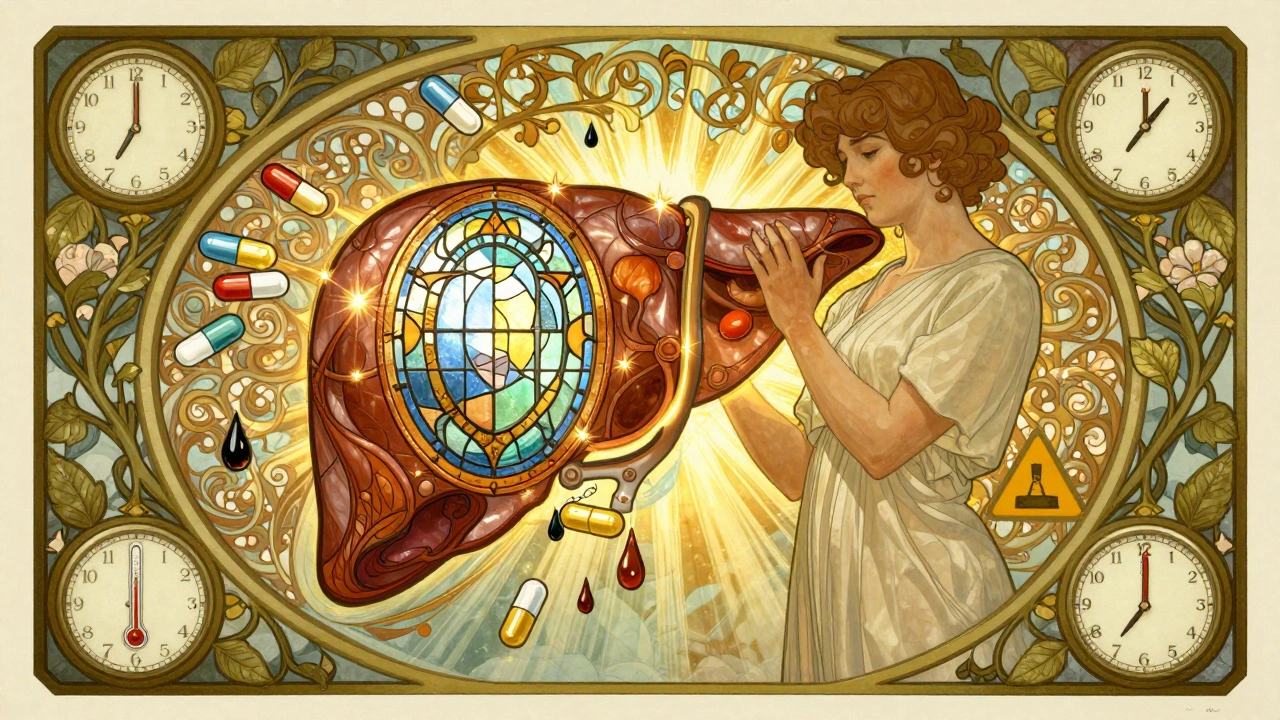
Post-Transplant Life: Recognizing Rejection Signs and Staying on Top of Your Medications
Caspian Mortensen Dec, 1 2025 10After a liver transplant, staying alive means knowing rejection signs and never missing a dose. Learn the symptoms, how to stick to your meds, and what to do if things go wrong.
More Detail