
How to Discuss Prescription Costs Before Filling Your Medication: A Practical Guide
Feb, 5 2026
Why Discussing Costs Matters
Every year, over 22% of people skip filling prescriptions due to high costs. This isn't just a minor inconvenience-it can lead to worse health outcomes. According to the Journal of General Internal Medicine a peer-reviewed medical journal that publishes research on internal medicine and healthcare policy, patients who discuss medication costs with their doctors are 37% less likely to skip doses due to cost. Talking about costs upfront prevents surprises and keeps you on track with your treatment.
Preparing Before Your Appointment
Don't wait until the doctor's office to think about costs. Start by checking your insurance plan's formulary online. Most insurers have a tool where you can search for your medication and see what tier it's in. Know your deductible status-if you haven't met it yet, you might pay more. Write down all the medications you take, including dosages, and bring them to your appointment. This helps your doctor understand your current regimen and potential alternatives.
Questions to Ask Your Doctor
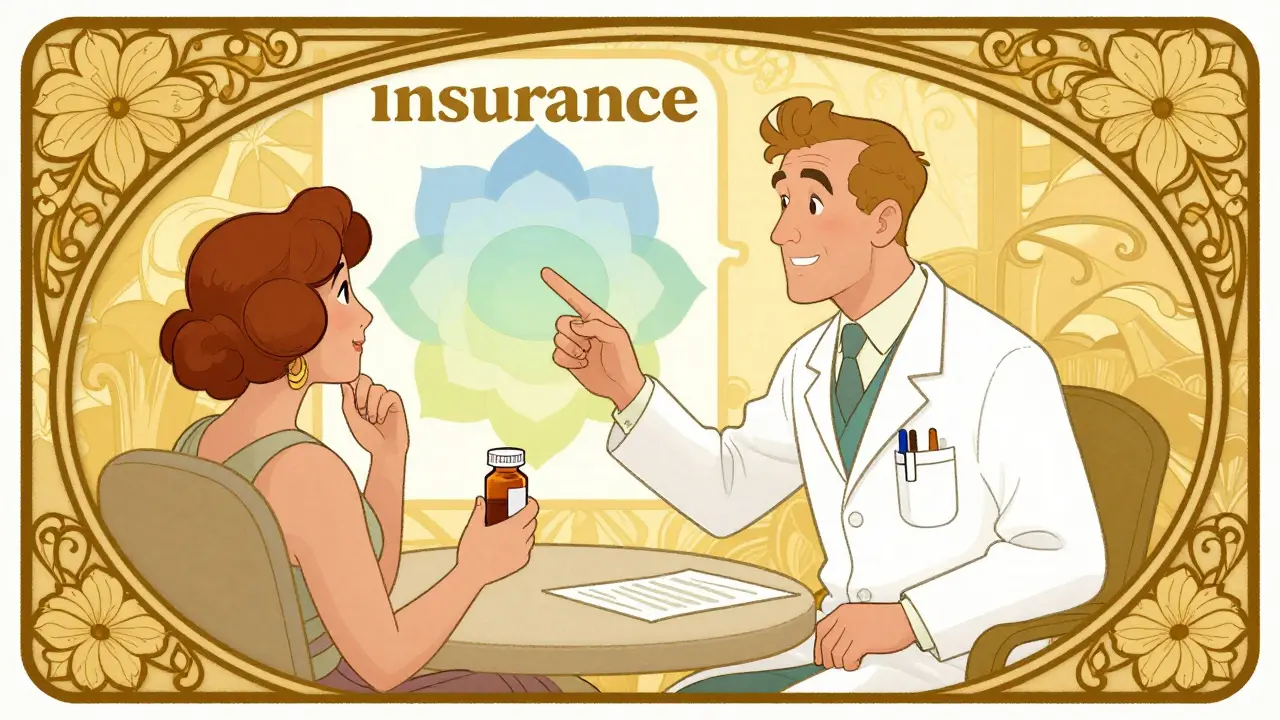
During your visit, be direct. Ask: "Is there a generic version of this drug?" Generics are often much cheaper and just as effective. "What's my out-of-pocket cost with my insurance?" This gives you a clear number. "Are there other medications that work similarly but cost less?" Your doctor may have options you haven't considered. Also, ask about mail-order options or 90-day supplies, which often have lower copays.

Checking Costs at the Pharmacy
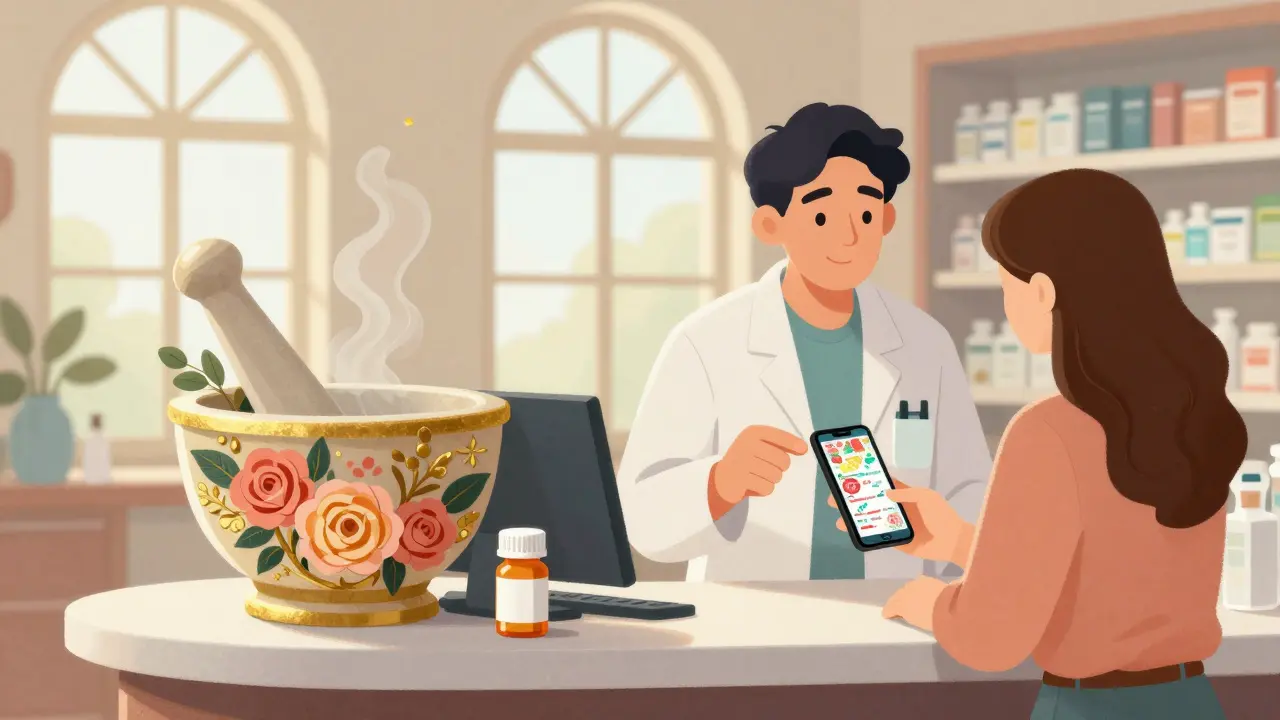
Before you leave the pharmacy, ask the pharmacist to verify the cost. Use tools like GoodRx a prescription savings tool that compares drug prices and offers discounts or SingleCare a prescription discount service offering savings on medications to compare prices. These apps show cash prices and discounts, which might be lower than your insurance copay. If the cost is higher than expected, ask if the pharmacist can check for alternative medications or if there's a patient assistance program available.
Understanding Insurance Tiers
Insurance plans group drugs into tiers, each with different costs. Tier 1 usually includes generics with low copays ($5-$15). Tier 2 might be preferred brand-name drugs ($25-$50). Tier 3 and 4 include non-preferred brands and specialty drugs, which can cost $50-$100 or more. Knowing your drug's tier helps you anticipate costs. For example, if your medication is in Tier 4, you might pay 25-33% of the drug's cost. Always ask your pharmacist which tier your drug falls under.
Special Considerations for Medicare Users
Medicare Part D a U.S. federal program that provides prescription drug coverage for Medicare beneficiaries has undergone major changes. Starting in 2025, the annual out-of-pocket maximum for prescription drugs drops to $2,000 from $8,000 in 2024. Insulin costs are capped at $35 per month. Use the Medicare Plan Finder a tool to compare prescription drug plans to compare plans. This tool shows costs for specific medications across different plans. If you're on Medicare, ask your doctor about the Prescription Payment Plan a program allowing monthly installment payments for medications, which lets you pay for medications in monthly installments instead of a large lump sum.
Real-Life Success Stories
A user on Reddit named "MedicareMom2023" avoided a $1,200 monthly medication bill by checking her plan's formulary before her doctor's appointment. She found a generic alternative and discussed it with her doctor. Another patient saved $287 on blood pressure meds using GoodRx alongside insurance. These stories show how proactive communication can make a real difference.
Frequently Asked Questions
What should I do if my insurance doesn't cover my medication?
Ask your doctor about prior authorization. They can submit paperwork to your insurance company explaining why you need the medication. If that fails, explore patient assistance programs from drug manufacturers or nonprofits like the Patient Advocate Foundation. These programs often provide free or discounted medications for eligible patients.
How does the Medicare Part D out-of-pocket maximum work in 2026?
Starting in 2026, Medicare Part D beneficiaries will have a hard annual out-of-pocket maximum of $2,100. This means once you've paid $2,100 for prescription drugs in a year, your plan covers 100% of costs for the rest of the year. This is part of the Inflation Reduction Act, which aims to make medications more affordable for seniors.
Can I use GoodRx even if I have insurance?
Yes! GoodRx often shows lower prices than your insurance copay. Always compare the GoodRx price with your insurance cost before filling a prescription. In many cases, paying cash with a GoodRx discount is cheaper than using insurance.
What if my doctor won't discuss costs?
The American Medical Association recommends cost discussions during clinical encounters. If your doctor avoids the topic, ask for a referral to another provider or ask to speak with a nurse or pharmacist. They're trained to help with medication cost concerns and can often suggest alternatives or resources.
Are there free resources for low-income patients?
Yes. Programs like Medicaid, Medicare Savings Programs, and pharmaceutical company assistance programs offer free or discounted medications. The Patient Advocate Foundation helps patients navigate these options. Visit their website or call their helpline for personalized support.


