
How to Use Lockboxes for High-Risk Medications at Home
Mar, 31 2026
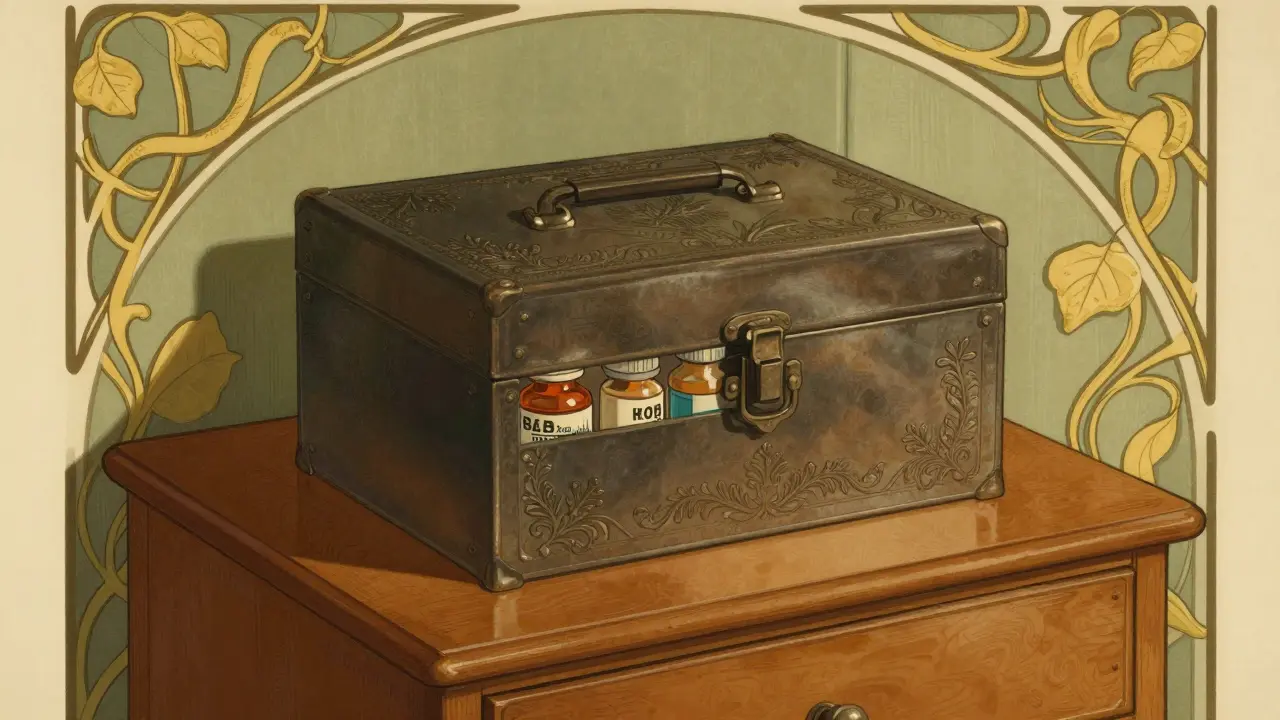
Imagine you just finished your morning dose of pain medication. You reach for your bottle, pop it open, take a pill, and cap it back shut. It feels secure, doesn’t it? That’s the problem. Most people believe the child-resistant cap keeps their medicine safe. Studies show otherwise. About half of children aged four to five can open those frustrating caps within 60 seconds if they really want to. By March 2026, we know that accidents happen fast. Keeping dangerous pills locked away isn’t just a good idea; it’s the only way to ensure safety.
Medication lockbox is a specialized security container designed to store prescription drugs securely away from unauthorized users. These devices provide physical barriers against theft, accidental ingestion, and misuse of high-risk substances including opioids and stimulants. Whether you have curious toddlers or worried guests, a proper lockbox gives you control. Here is exactly how to set one up and keep your household safe.
Why Standard Storage Fails
We often rely on the "Poison Prevention Packaging Act" rules, which mandate child-resistant packaging. But let’s be honest: these caps were never meant to be impenetrable, just harder to open than regular jars. According to data from the Centers for Disease Control and Prevention (CDC), there are still around 60,000 emergency room visits every year due to kids finding and swallowing medicines hidden on shelves or counters. Hiding your bottle inside a kitchen cabinet isn’t hiding it well enough. If a child can climb onto a counter, they can see the medicine. A dedicated locking device changes the dynamic entirely.
The gap between having medicine and keeping it truly safe was bridged when organizations like the Substance Abuse and Mental Health Services Administration (SAMHSA) began pushing for locked storage protocols during the opioid crisis. This wasn’t just advice; it became a safety standard. While many states had distribution programs offering free boxes in 2023 and beyond, ownership alone isn't enough. You need to understand how the device works with your specific lifestyle.
Choosing the Right Lock Mechanism
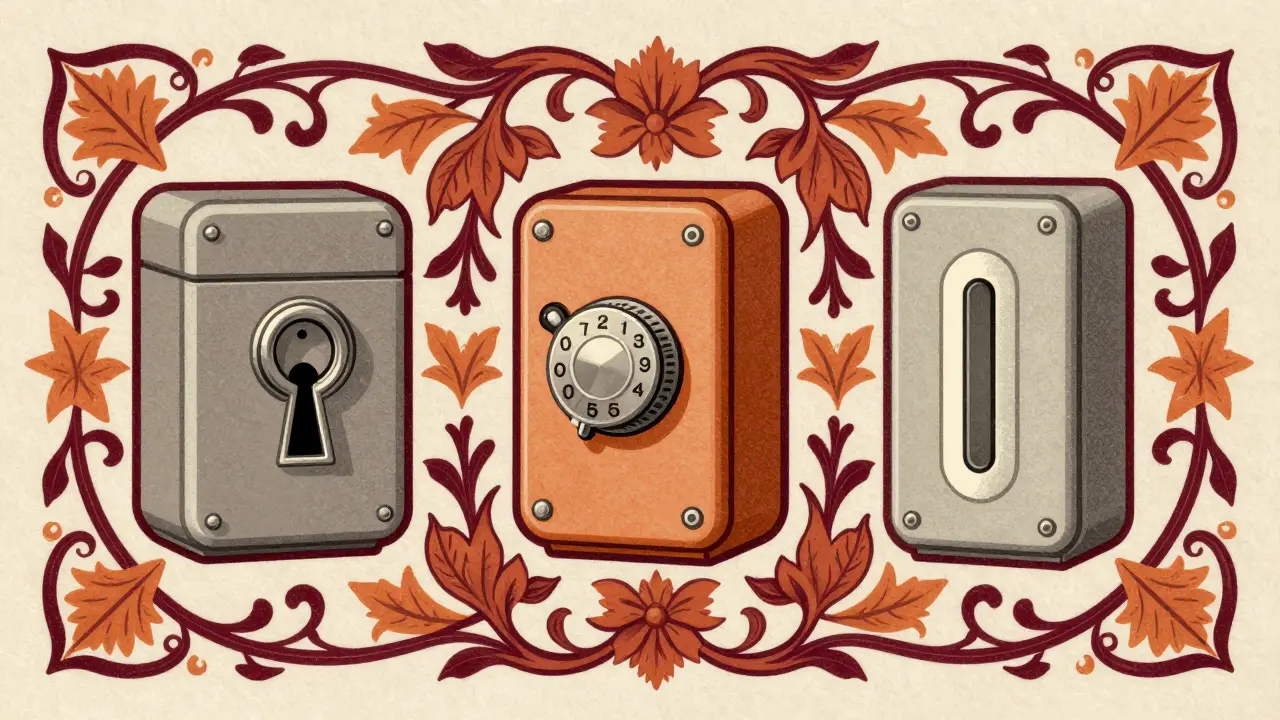
Not all lockboxes are built the same. You need to choose a mechanism that fits who is living in the house. Some households might prefer traditional keys, while others need digital solutions.
| Type | Pros | Cons | Best For |
|---|---|---|---|
| Key Lock | Inexpensive, no batteries needed | Easy to lose key, hard to share access | Single-person homes, budget-conscious users |
| Combination Dial | No keys to lose, durable | Slow to open, difficult for arthritic hands | Families with multiple responsible adults |
| Biometric/Fingerprint | Instant access, high security, no code memory needed | Higher cost, requires charging/batteries | Elderly care, high-use households, tech-savvy families |
If you have elderly family members dealing with arthritis or dexterity issues, standard combination locks can become stressful daily obstacles. In late 2023, the National Council on Aging noted that about 15% of adults over 75 struggle with manual locks. For these cases, a biometric scanner makes sense-it opens with a touch, requiring zero fine motor movement. On the other hand, if you live alone, a simple steel box with a keyed lock is robust and cheap.
Identifying Which Meds Need Locking
You don’t necessarily need to lock aspirin or vitamins unless someone has a history of compulsive misuse. The focus should be on "high-risk" substances. These are medications that carry a significant potential for addiction, severe side effects, or fatal overdose.
Common categories include:
- Opioids: Drugs like hydrocodone, oxycodone, or morphine used for pain management. These are central to the opioid crisis discussions.
- Benzodiazepines: Anti-anxiety meds such as Xanax or Valium.
- Stimulants: ADHD treatments like Adderall or Ritalin.
- Sedatives: Sleep aids that depress the central nervous system.
- Nicotine patches or gum in some contexts if pets or kids are involved.
A 2020 study published in the National Library of Medicine emphasized that even though most households knew the risks, only 4% initially stored meds in a locked place. The gap between knowledge and action is large. Once you identify that your medicine cabinet holds Oxycodone or similar prescriptions, the priority shifts from convenient storage to secured storage immediately.
Selecting the Perfect Location
Where you put the box is almost as critical as the box itself. A common mistake is placing the box in the master bedroom closet because it seems private. However, bathrooms are notoriously bad spots due to humidity. Moisture ruins pill integrity over time, turning effective medicine into dust or clumps. Keep it dry, cool, and out of sight.
Consider these placement options:
- Bedroom Dresser Drawer: Place the box inside a drawer rather than on the shelf. It adds a second layer of concealment.
- Kitchen Cupboard (High Shelves): Ensure it is too high for a child to reach or pull down.
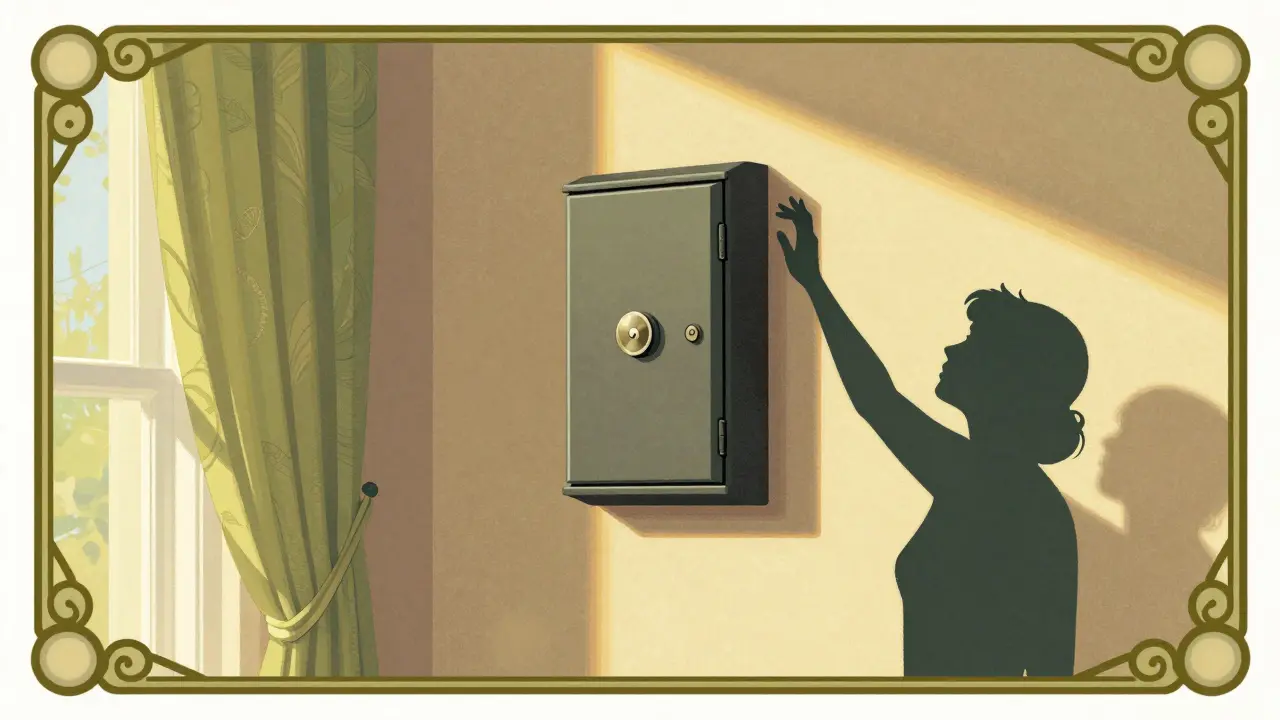
- Wall-Mounted Units: These prevent children from physically carrying the box away, which is vital for small children.
Ensure the authorized adults actually remember where it is in case of an emergency. Hiding it in plain sight is smart, but locking it in a spot where you forget it is dangerous. Practice retrieving it once a week until it becomes automatic.
Daily Management Protocols
Owning a box is passive; using it effectively is active. Treat the lockbox like a mini vault for your health essentials. Here is a routine that keeps things running smoothly.
- Inventory Monthly: Open the box once a month to check expiration dates. Throw away old meds according to local guidelines.
- Access Control: Limit who knows the code or has the key. Too many copies mean higher security risks.
- Temperature Monitoring: Some lockboxes offer temperature control features. Even standard ones should sit in a room with stable climate control. Avoid garages or cars where temps spike above 77°F (25°C).
- Emergency Access Plan: If you are unconscious and a caregiver arrives, does the paramedic know where the meds are? Consider having a copy of the key or code in a fire-safe location known to trusted neighbors.
Tech updates in 2025 have introduced smart models that send alerts if the box is accessed. If you have a complex medical regimen, these apps sync with your phone. They log who took the med and when. It solves the issue of family members accidentally double-dosing.
Maintaining the Lockbox System
Even hardware needs love. Dust accumulates in latches, battery contacts corrode, and plastic weakens under sunlight exposure. Clean your lockbox exterior monthly. Replace batteries before the low-battery chirp sounds-don't wait until the door sticks.
If you travel, bring your portable lockbox. Don't stash pills in the glove compartment or under the car seat. Many states now mandate secure transport for controlled substances, so carrying them in a TSA-approved or portable lockbox ensures compliance and safety while driving.
This approach minimizes the risk of theft in hotel rooms or rentals, where strangers might rummage through suitcases. It creates a consistent safety habit regardless of where you are geographically.
Disposal and Safety Beyond Storage
Finally, consider what happens when you empty the box. Never flush opioids or benzodiazepines unless the label explicitly says so. Flushing contaminates water sources. Instead, use local drug take-back sites or mix powders with coffee grounds in a sealed bag for trash disposal. Keeping an empty space in your box for expired meds helps you rotate inventory without losing track of the schedule.
Are medication lockboxes expensive?
Standard metal lockboxes range from $20 to $50. Biometric models can cost between $60 and $120. Many pharmacy programs and state initiatives, like South Dakota's 'Let's Be Clear SD', distribute them for free to eligible households.
Can insurance cover a lockbox?
Most private insurance plans do not directly reimburse for consumer lockboxes. However, some public health grants or Medicaid waivers in specific states may provide reimbursement for safety equipment prescribed by a doctor.
What if my senior parent can't use the keys?
Switch to a fingerprint or RFID-based model. These remove the fine motor requirement of turning keys or dialing numbers, accommodating tremors or weakness in the fingers.
Is hiding medicine on a high shelf better than nothing?
No. Children can pull down heavy objects or stand on furniture. Research shows 72% of children find hidden meds in minutes. A locked barrier provides a level of protection height alone cannot guarantee.
Do I need to lock non-opioid meds too?
It is recommended to store all prescription meds together in one secure location. It simplifies inventory checks and prevents accidental overdoses from combining different types of drugs found separately in the house.


