
Anxiety Treatment: Effective Options, Medications, and Natural Approaches
When it comes to anxiety treatment, the methods used to reduce excessive worry, panic, and physical symptoms of anxiety. Also known as anxiety management, it includes everything from prescription meds to lifestyle changes that help your nervous system calm down. Many people assume anxiety is just "being stressed," but it’s a real condition that affects how your brain processes fear—and it can show up as racing heart, insomnia, or even digestive issues. The good news? There are proven ways to treat it, and you don’t always need a pill.
One of the most common paths is SSRIs, selective serotonin reuptake inhibitors, a class of antidepressants often prescribed for anxiety disorders. Also known as antidepressants for anxiety, they help balance brain chemicals linked to mood and fear response. But they don’t work the same for everyone. About 35 to 70% of people on SSRIs deal with sexual side effects, which is why some switch meds or adjust doses—something we cover in detail in the posts below. Then there’s light therapy, a non-drug treatment that uses bright artificial light to reset your body’s internal clock and improve mood. Also known as bright light therapy, it’s not just for seasonal depression—it can ease general anxiety too, especially when sleep is messed up. And if your anxiety is tied to constant pressure at work, you’re not alone. workplace burnout, a state of emotional, physical, and mental exhaustion caused by prolonged stress. Also known as chronic work stress, it often looks like anxiety but comes from being overwhelmed day after day. Treating that means fixing the environment, not just the symptoms.
You’ll find posts here that cut through the noise. Some explain how medications like SSRIs affect your body beyond mood—like their impact on sex drive or memory. Others show how simple tools like light therapy or setting boundaries at work can be just as powerful as prescriptions. There’s no magic bullet, but there are real, tested strategies. Whether you’re trying to reduce pills, manage side effects, or find non-drug relief, the guides below give you the facts without fluff. What works for one person might not work for you—but you’ll know why.
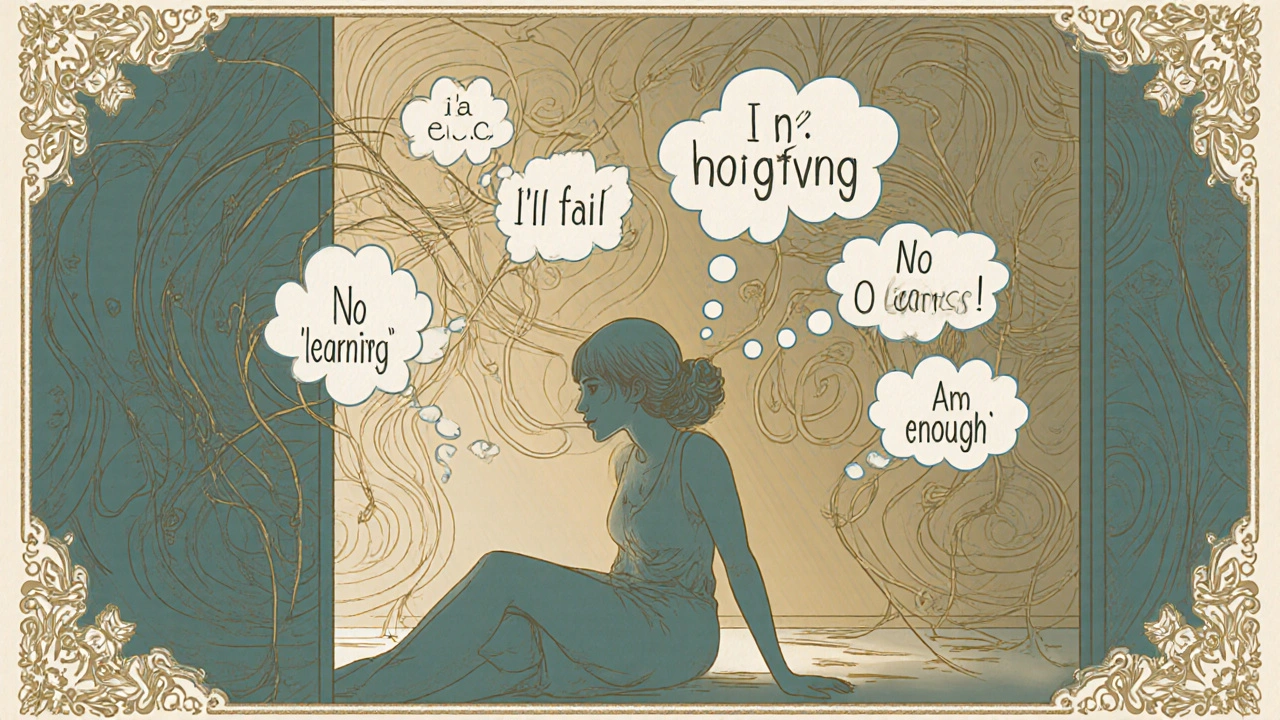
Cognitive Behavioral Therapy: The Proven Psychological Treatment for Anxiety, Depression, and More
Caspian Mortensen Nov, 24 2025 10Cognitive Behavioral Therapy (CBT) is the most researched psychological treatment for anxiety, depression, OCD, and PTSD. With over 2,000 clinical studies backing it, CBT helps you change unhelpful thoughts and behaviors through structured, evidence-based techniques.
More Detail