
OTC Drug Labels: What You Need to Know Before You Buy
When you pick up an OTC drug label, the printed information on over-the-counter medication packaging that tells you how to use it safely and what’s inside. Also known as medicine label, it’s the only guide you have between you and a potentially dangerous mistake. Most people glance at the brand name, check the price, and walk away. But that label holds the difference between safe use and serious harm—especially if you’re taking other meds, have chronic conditions, or are pregnant.
Every OTC drug label follows the same FDA-mandated format: Active ingredients, uses, warnings, directions, other information, and inactive ingredients. The active ingredient is the only part that actually does the work—whether it’s acetaminophen, ibuprofen, or diphenhydramine. But here’s the catch: many products contain the same active ingredient under different brand names. If you take two cold meds that both list acetaminophen, you could overdose without realizing it. That’s why reading the label isn’t optional—it’s your last line of defense.
Warnings on OTC drug labels aren’t just legal boilerplate. They’re lifesavers. If a label says "do not use if you have high blood pressure," that’s not a suggestion—it’s a red flag. Many people don’t know that common painkillers like ibuprofen can raise blood pressure or worsen kidney function. Or that antihistamines like diphenhydramine can cause brain fog, especially in older adults. The label also tells you if the drug interacts with alcohol, other prescriptions, or even herbal supplements like St. John’s wort, which we’ve seen cause dangerous drops in medication effectiveness.
And then there’s the inactive ingredients, the hidden players. These include dyes, fillers, and preservatives that don’t treat your symptoms but can trigger allergies. If you’re allergic to corn, gluten, or certain dyes, you need to check this section every single time. One person’s harmless tablet is another person’s emergency. And if you’re giving meds to kids, the dosing instructions on the label are non-negotiable. A teaspoon vs. a tablespoon can mean the difference between relief and hospitalization.
What you won’t find on the label? The full story. That’s why we’ve gathered real cases from pharmacists and patients—like how someone ended up in the ER after combining a sleep aid with their blood pressure med, or how a parent gave the wrong dose because the label used "teaspoon" without specifying the exact size. These aren’t hypotheticals. They’re daily realities in pharmacies and homes across the country.
Below, you’ll find detailed breakdowns of how to read these labels correctly, what the most common mistakes are, and which hidden dangers most people never see coming. Whether you’re managing chronic pain, caring for an aging parent, or just trying to avoid another headache without making things worse, the right understanding of OTC drug labels can save you from costly, preventable harm.
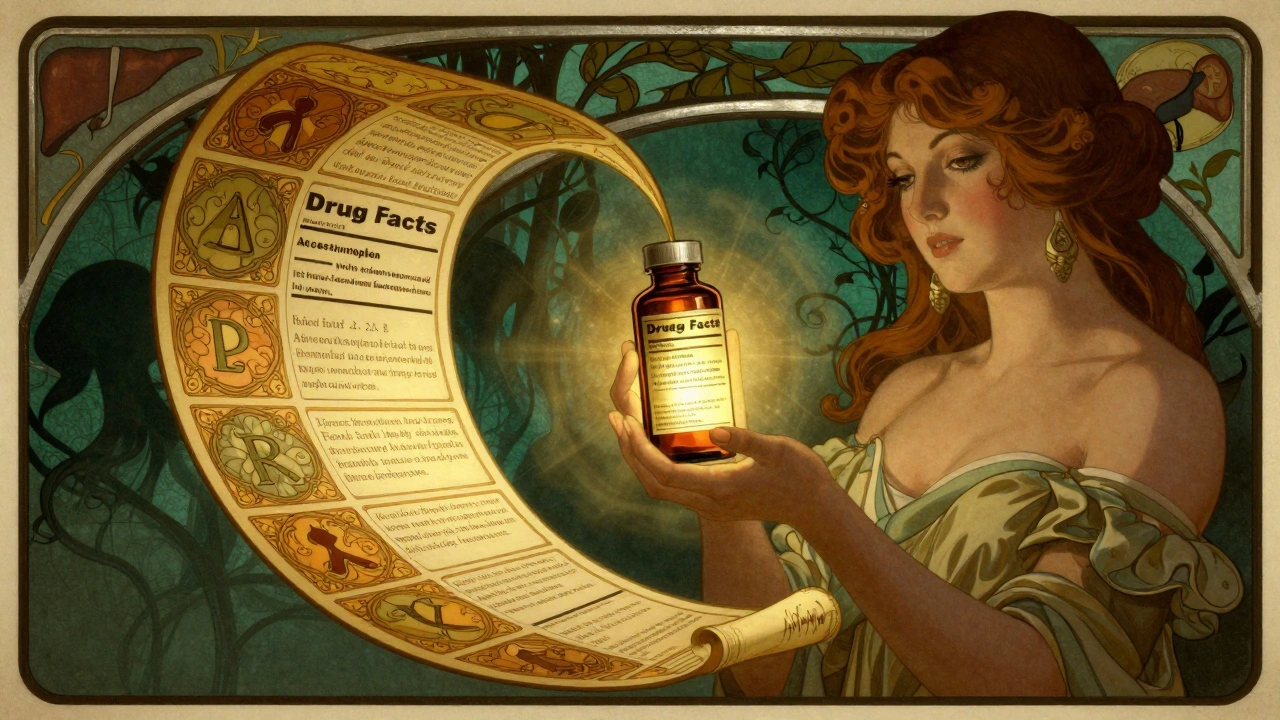
How to Read OTC Drug Facts Labels Correctly and Confidently
Caspian Mortensen Dec, 4 2025 15Learn how to read OTC drug facts labels to avoid dangerous mistakes, double-dosing, and hidden allergies. Understand active ingredients, warnings, and directions to use over-the-counter medicines safely and confidently.
More Detail