
Pharmacist Role: What They Do, How They Help, and Why It Matters
When you pick up a prescription, the pharmacist role, a licensed healthcare professional trained to manage medications and ensure patient safety. Also known as medication expert, they’re the last line of defense before a drug enters your body. Most people think pharmacists just count pills. That’s not even close. Their job is to catch mistakes, explain side effects, and make sure your meds don’t clash with each other—like when a drug interaction between a common painkiller and your blood pressure medicine could land you in the hospital.
The pharmacist role, a licensed healthcare professional trained to manage medications and ensure patient safety. Also known as medication expert, they’re the last line of defense before a drug enters your body. Most people think pharmacists just count pills. That’s not even close. Their job is to catch mistakes, explain side effects, and make sure your meds don’t clash with each other—like when a drug interaction between a common painkiller and your blood pressure medicine could land you in the hospital.
They’re also the ones who spot when a patient counseling, the process of explaining how to safely use a medication, including dosing, side effects, and lifestyle adjustments. Also known as medication education, it’s a critical part of safe prescribing is needed. Ever wonder why your pharmacist asked if you’ve been feeling dizzy after starting a new drug? That’s not small talk. It’s part of their legal and ethical duty to monitor how you’re responding. They’ve seen what happens when people skip doses, mix alcohol with sedatives, or take too much of a medication safety, the system of practices and checks designed to prevent harm from drugs, including proper labeling, dosing, and monitoring. Also known as drug safety, it’s the foundation of modern pharmacy failures—like kidney damage from Dosulepin or brain fog from anticholinergics. They don’t just hand you a bottle. They ask questions, check your history, and sometimes call your doctor to suggest a safer option.
And it’s not just about pills. Pharmacists help you stretch your budget with pharmacy practice, the professional activities and services pharmacists provide, including dispensing, counseling, and managing chronic disease. Also known as community pharmacy, it’s where most people interact with the healthcare system tricks like 90-day fills, generic switches, and insurance navigation. They know which brands have cheaper generics, which insurers cover what, and how to avoid copay traps. They’re the reason you’re paying $15 instead of $150 for your diabetes meds.
Behind every post about SGLT2 inhibitors, SSRI side effects, or kidney risks from tricyclics, there’s a pharmacist reviewing the data, checking for red flags, and talking to patients. They’re not just in the back room—they’re in the room with you, asking the questions no one else has time for. You don’t need to be an expert to understand your meds. You just need a good pharmacist. And below, you’ll find real guides on exactly what they’re watching for—so you know what to ask, what to watch, and when to speak up.
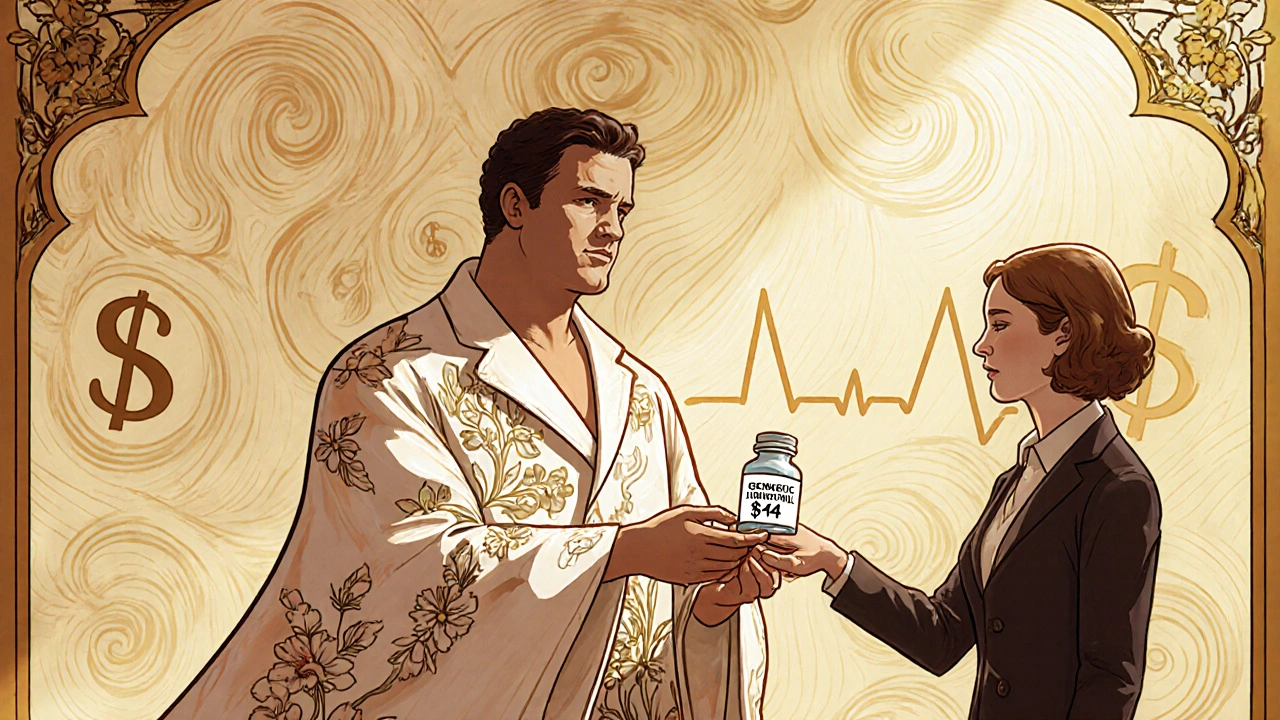
How Pharmacists Drive Workplace Wellness by Promoting Generic Medications
Caspian Mortensen Nov, 21 2025 18Pharmacists play a vital role in workplace wellness by promoting generic medications to improve adherence, cut costs, and save lives. Learn how they help employees take the right meds at the right price.
More Detail