
SAD Treatment: Effective Therapies and Medications for Seasonal Depression
When the days get shorter and the sun disappears, some people don’t just feel a little down—they slide into seasonal affective disorder, a type of depression that follows a seasonal pattern, usually starting in fall and lasting through winter. Also known as SAD, it’s more than just feeling sluggish—it’s a real mood disorder that affects energy, sleep, and motivation. If you’ve ever struggled to get out of bed in December or lost interest in things you usually love during winter, you’re not alone. About 5% of U.S. adults experience full-blown SAD, and many more have milder symptoms.
The good news? light therapy, a non-drug treatment using special bright lamps that mimic natural sunlight is one of the most proven ways to fight it. Studies show that 60-80% of people see improvement within a few days to two weeks. It’s not magic—it’s biology. Your brain responds to light by adjusting melatonin and serotonin levels, which control sleep and mood. Then there’s cognitive behavioral therapy, a structured talk therapy that helps rewire negative thought patterns tied to winter. Unlike meds, CBT teaches skills that last beyond the season. And when symptoms are severe, doctors often turn to antidepressants, especially SSRIs like sertraline or fluoxetine, which help balance brain chemicals affected by reduced sunlight. These aren’t just for chronic depression—they’re used specifically for SAD when other treatments fall short.
What you won’t find in most guides? The messy middle ground. Like how some people respond to light therapy but hate sitting in front of a box for 30 minutes every morning. Or how switching antidepressants can fix SAD but cause sexual side effects that make people quit. Or how CBT works best when combined with daily walks—even on cloudy days. These are the real trade-offs people face. The posts below cover exactly that: what works, what doesn’t, and what no one tells you until you’re already struggling. You’ll see how pharmacists help patients choose between generic antidepressants and light therapy devices, how workplace stress makes SAD worse, and why some people need more than just a vitamin D supplement. This isn’t theory. It’s what people actually use to get through winter.
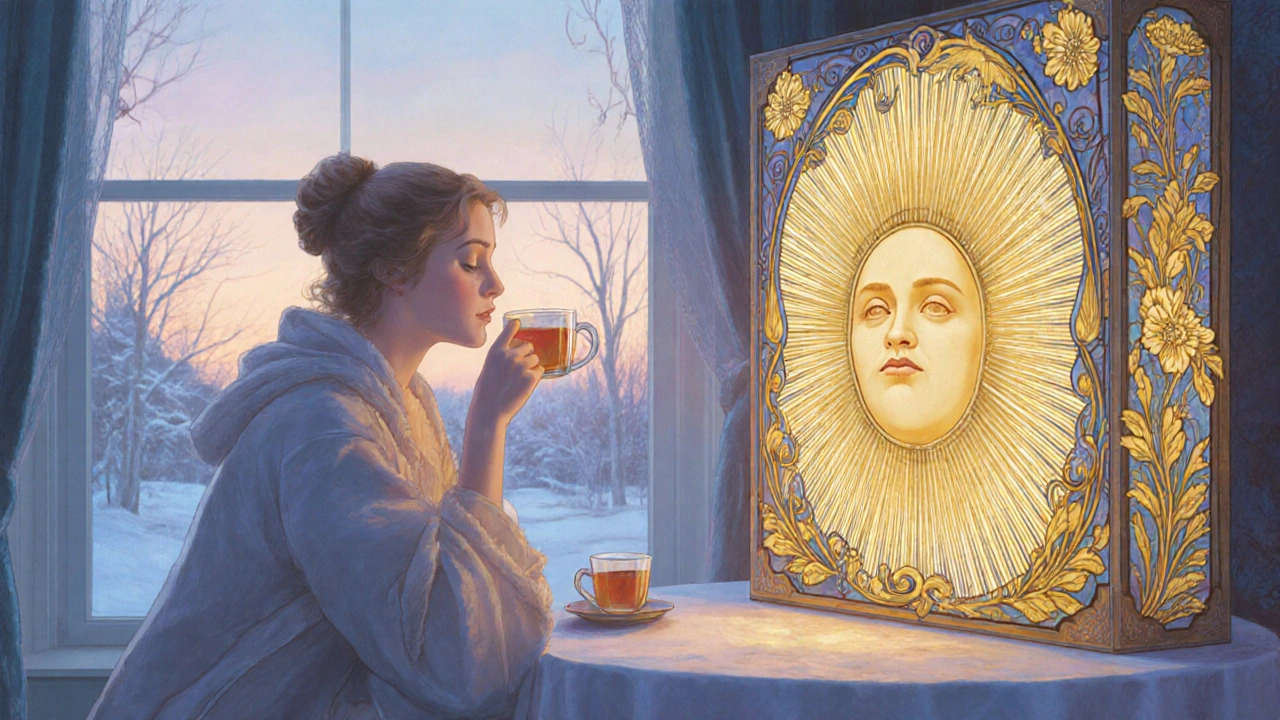
Seasonal Affective Disorder: How Light Therapy Helps with Winter Depression
Caspian Mortensen Nov, 23 2025 8Light therapy is a proven, drug-free treatment for seasonal affective disorder (SAD), helping reset your body clock and boost mood during dark winter months. Learn how it works, what devices to choose, and how to use it effectively.
More Detail