
How to Read Refill Information on Your Prescription Label
Dec, 15 2025
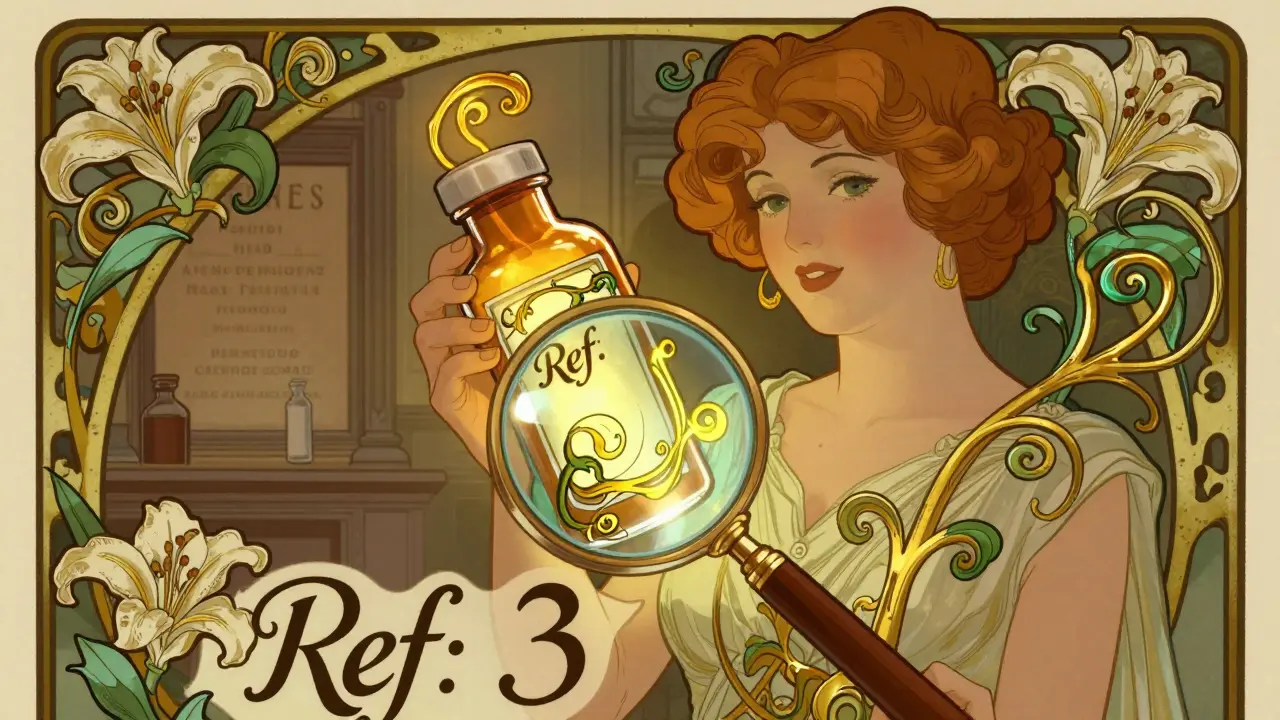
Ever opened your prescription bottle, looked at the label, and felt confused about whether you can get more medicine? You’re not alone. Many people miss the small print that says Ref: 3 or Refills: 0-and end up running out of medication because they didn’t know what it meant. Understanding refill information isn’t just helpful; it’s a key part of staying healthy and avoiding dangerous gaps in your treatment.
What Does Refill Information Actually Mean?
The refill number on your prescription label tells you how many more times you can pick up that same medication without needing a new prescription from your doctor. It’s not about how many pills are left in the bottle-it’s about how many times you’re allowed to refill the prescription. For example:- Ref: 3 means you can get three more refills after this one.
- Refills: 0 means no more refills are allowed-you must see your doctor for a new prescription.
Where to Find Refill Information on the Label
Refill details are usually printed in the lower half of the prescription label, away from the most important stuff like dosage and timing. This isn’t an accident. The U.S. Pharmacopeial Convention (USP) recommends this layout because if refill info was right next to “Take 2 pills twice daily,” people might mix them up-and that’s how errors happen. Most pharmacy chains follow a similar pattern:- CVS: Places refill info near the prescription number and fill date, often with a color-coded section.
- Walgreens: Uses a standard format with “Refills: X” clearly labeled.
- Independent pharmacies: Often follow the Pharmacy Association of Nova Scotia’s guidelines, which require the remaining refill number to be printed in a larger font than the total authorized refills.
Why This Small Detail Matters So Much
Getting your refill info wrong can have real consequences. A 2022 study tracking over 12,000 patients found that those who understood their refill information were 37% less likely to run out of medication. That’s huge. For people with chronic conditions like high blood pressure, diabetes, or asthma, missing doses even for a few days can lead to hospital visits. Pharmacists report that 15-20% of their calls from patients are because someone misread “Ref: 0” as “no pills left.” That’s a waste of your time-and theirs. Worse, some patients delay calling their doctor because they think they still have medicine. By the time they realize they’re out, their condition may have worsened. A patient named Maria Rodriguez shared on a diabetes forum: “I almost ran out of insulin because I didn’t see the tiny ‘Ref: 0’ at the bottom of my label.” That’s the kind of story that keeps pharmacists up at night.
What Happens When You Run Out of Refills?
When you hit “Refills: 0,” you can’t just walk in and get another bottle. You need a new prescription. But here’s what you can do:- Call your doctor’s office at least 3-5 days before you expect to run out. Some refills, especially for controlled substances like painkillers or ADHD meds, require extra paperwork and can take up to 72 hours to process.
- Check your insurance rules. Medicare Part D lets you refill 30-day prescriptions after 23 days. Other insurers, like UnitedHealthcare, allow refills once you’ve used 80% of your supply-that’s 24 days for a 30-day script.
- Use digital tools. CVS’s Spoken Rx app, now used by over 1.7 million people, lets you scan your bottle and hear your medication name, dosage, and refill status read aloud in English or Spanish. Other pharmacies offer text or app alerts when your refill is ready.
Why Some Labels Are Hard to Read
You might notice that refill info is printed in smaller font than other parts of the label. That’s not a mistake-it’s a design choice. Pharmacists are required to prioritize safety-critical info like dosage and warnings at the top. But that doesn’t mean refill info should be invisible. Since 2020, 68% of U.S. pharmacies have updated their labels to make refill numbers bigger and clearer. CVS invested $12.7 million in label redesigns, including better fonts and color coding. Independent pharmacies following Nova Scotia’s guidelines now make sure the remaining refills are in larger text than the total number authorized. Still, if you’re struggling to read it, ask your pharmacist to print a clearer copy. Most will happily do it. You can also request a printed summary sheet that includes your refill schedule.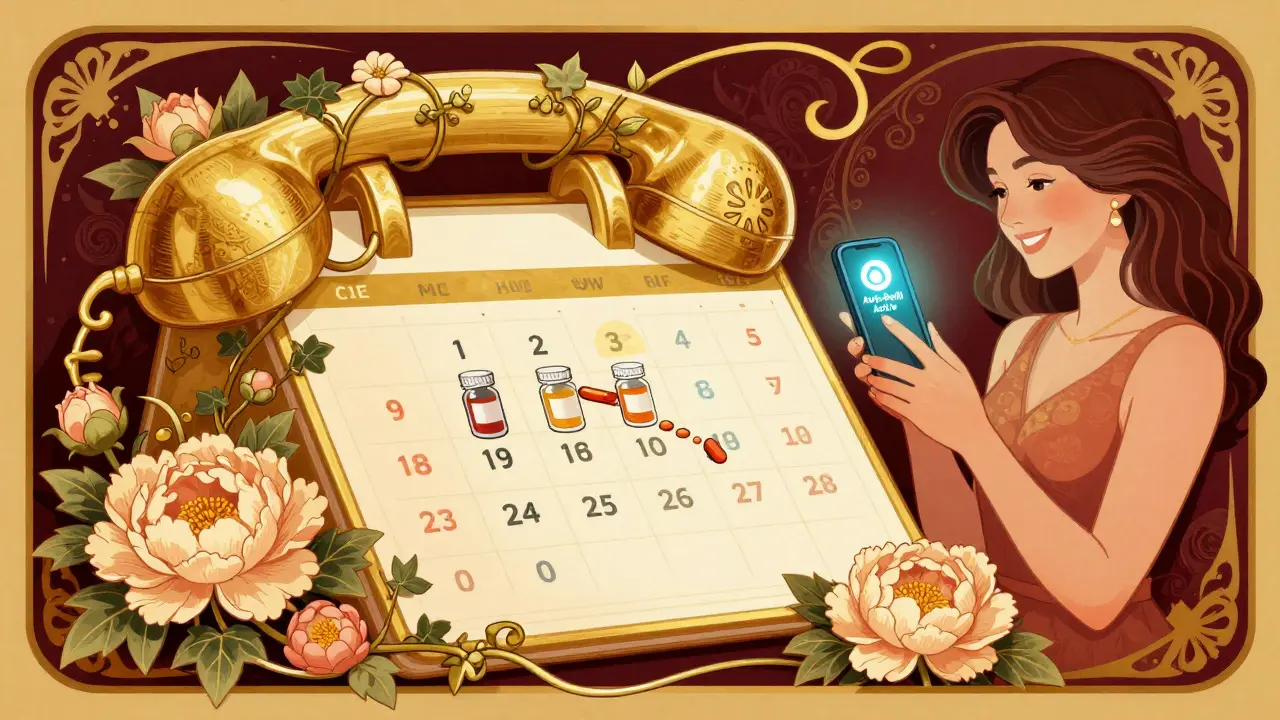
How to Avoid Running Out
The best way to never be caught off guard is to build a simple habit:- Check your refill status every week when you organize your meds. Make it part of your routine-like checking your calendar or paying a bill.
- Set a reminder on your phone for 5 days before your last refill runs out. Even a simple alert like “Call for refill: Insulin” can save you.
- Ask about auto-refill programs. Many pharmacies now offer automatic refills for chronic medications. You’ll get a call or text when it’s ready. CVS’s “Worry-Free Refills” program, for example, reduced refill-related errors by 41% in pilot tests.
- Keep a list of all your meds, their refill numbers, and your doctor’s contact info. Keep it in your wallet or phone notes.
What’s Changing in Prescription Labels
The future of refill info is digital and visual. By 2025, 85% of U.S. pharmacies are expected to use app-based refill reminders, up from just 52% in 2022. The American Pharmacists Association is testing a universal refill icon-a simple circle with a number inside-that patients can recognize at a glance. Early tests showed a 41% drop in refill-related errors. State laws are also catching up. California now requires “NO REFILLS” in bold if no refills are allowed. Texas requires labels to show both the total refills authorized and how many are left. These changes are making labels safer, clearer, and more patient-friendly.What to Do If You’re Still Confused
If you’re ever unsure about your refill status, don’t guess. Don’t assume. Don’t wait until you’re out. Just call your pharmacy. Seriously. It’s what they’re there for. A pharmacist can look up your record, tell you exactly how many refills you have, and even help you contact your doctor if you need a new prescription. And if you’re worried about privacy or time-most pharmacies now offer secure messaging through their apps. You can send a quick text and get a reply within hours. Understanding your prescription label isn’t about memorizing rules. It’s about taking control. One small detail-the number after “Ref:”-can mean the difference between staying healthy and ending up in the hospital.What does 'Ref: 0' mean on my prescription label?
'Ref: 0' means you have zero refills left. You cannot get another fill of this medication without a new prescription from your doctor. It does not mean you have zero pills left in your bottle. You may still have medicine, but you’re not authorized to refill it anymore.
Can I refill my prescription early if I’m running out?
It depends on your insurance. Medicare Part D allows refills after 23 days for a 30-day supply. Most commercial insurers let you refill once you’ve used 80% of your prescription-that’s 24 days for a 30-day script. Some pharmacies allow early refills for chronic conditions if your doctor approves. Always check with your pharmacy or insurer before assuming you can refill early.
Why is refill information printed at the bottom of the label?
Refill info is placed away from dosage instructions to reduce the risk of confusion. The U.S. Pharmacopeial Convention recommends this layout because 68% of medication errors happen when patients misread label details. Critical info like ‘take twice daily’ goes at the top. Refill numbers are important, but not urgent-so they’re placed lower to avoid distraction.
What should I do if my refill information is missing or unclear?
Call your pharmacy right away. They can check your record and provide a printed or digital copy with clear refill details. Many pharmacies will also print a special summary sheet for patients who need extra help reading labels. Don’t wait until you’re out of medicine-reach out as soon as you notice the issue.
Do all pharmacies format refill info the same way?
No. While most follow general standards, formats vary between chains like CVS, Walgreens, and independent pharmacies. Some use color-coding, others use bold text or icons. Since 2020, 68% of U.S. pharmacies have updated their labels to improve clarity. If you’re confused, ask your pharmacist to explain how their label works. They’re trained to help you understand it.


