Opioids and Adrenal Insufficiency: A Rare but Life-Threatening Side Effect You Need to Know

Dec, 1 2025
Opioid-Induced Adrenal Insufficiency Risk Calculator
This tool estimates your risk of opioid-induced adrenal insufficiency based on medical research. It is not a diagnostic tool. Always consult your healthcare provider for medical advice.
Based on research: 5% risk at >90 days, 22.5% risk at >100 MME daily
Most people know opioids can cause constipation, drowsiness, or addiction. But there’s a hidden danger many doctors miss - opioid-induced adrenal insufficiency. It’s rare, but when it happens, it can kill you. And it’s not just for people on high doses. Even those taking moderate amounts for months can develop it. If you’re on long-term opioids and feel constantly tired, nauseous, or weak - especially during illness or stress - this could be why.
How Opioids Quiet Your Stress Response
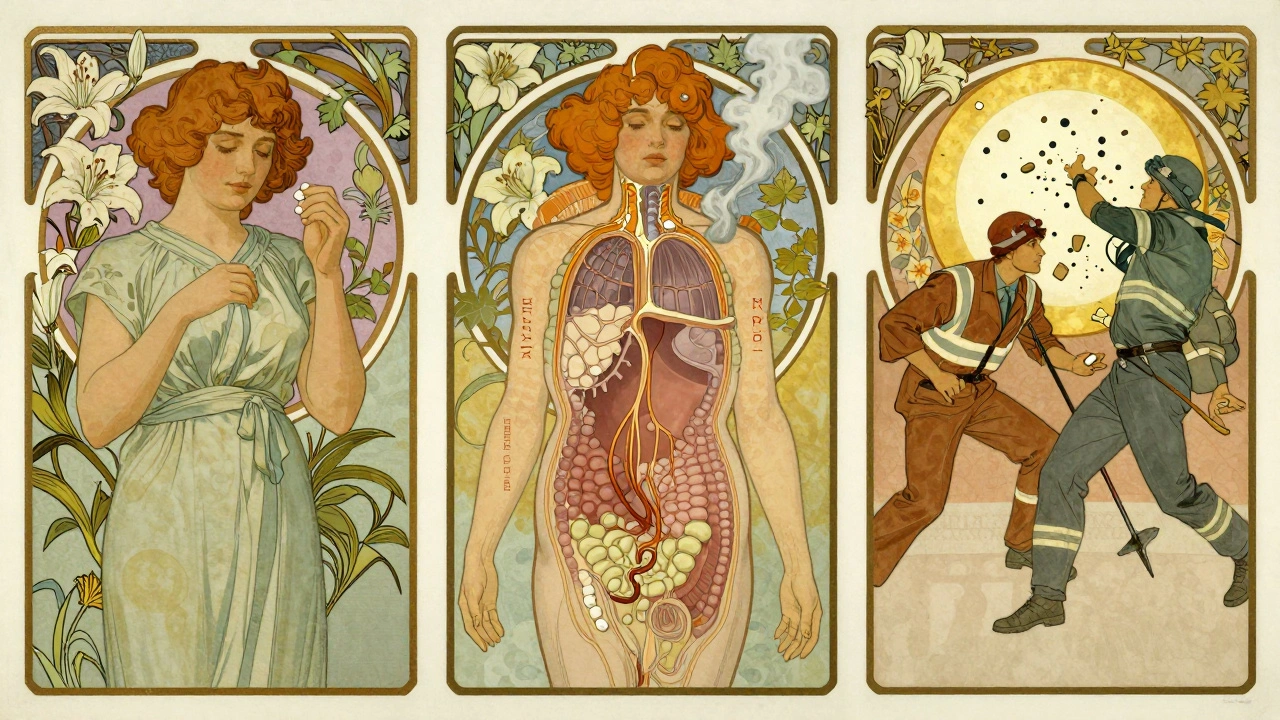
Your body has a built-in stress system called the HPA axis - hypothalamus, pituitary, adrenal glands. When you’re under pressure - whether from infection, surgery, or emotional trauma - this system kicks in. The hypothalamus signals the pituitary to release ACTH, which tells your adrenal glands to pump out cortisol. Cortisol keeps your blood pressure up, your blood sugar stable, and your immune system in check. Opioids don’t just block pain. They also slam the brakes on this system. They bind to receptors in the brain that control the hypothalamus and pituitary, reducing ACTH production. Less ACTH means your adrenals make less cortisol. It’s not damage to the glands themselves. It’s a communication breakdown. And it doesn’t happen overnight. It builds up over weeks or months of regular use.Who’s at Risk?
You don’t need to be on heroin or oxycodone daily to be at risk. The real danger zone is chronic opioid therapy - meaning you’ve been taking opioids for 90 days or more. Studies show about 5% of people on long-term opioid therapy develop adrenal insufficiency. That’s not a tiny number. In the U.S., over 16 million people get prescriptions for chronic opioid pain management. That means more than 800,000 could have this condition and not know it. Risk goes up with dose. If you’re taking more than 20 morphine milligram equivalents (MME) per day, your odds jump. One study found that people taking over 100 MME daily had a 22.5% chance of failing adrenal function tests. Compare that to zero percent in people not on opioids. It’s not just about quantity, though. Duration matters too. Someone on 30 MME for six months is more likely to be affected than someone on 50 MME for two weeks.What Are the Symptoms?
This is where things get tricky. The symptoms of adrenal insufficiency look a lot like the symptoms of chronic pain, depression, or just being tired. You might feel:- Constant fatigue, even after sleep
- Nausea or loss of appetite
- Dizziness when standing up
- Muscle weakness
- Low blood pressure
- Weight loss without trying
- Darkening of skin (in advanced cases)
How Is It Diagnosed?
There’s no simple blood test you can take at your doctor’s office. The gold standard is the ACTH stimulation test. You get a shot of synthetic ACTH, and your cortisol levels are measured before and 30 or 60 minutes later. If your cortisol doesn’t rise above 18 mcg/dL (500 nmol/L), you likely have adrenal insufficiency. Some newer studies suggest even lower thresholds - under 15 mcg/dL - might be more accurate for opioid users. Morning cortisol levels alone aren’t enough. Someone can have a low morning cortisol and still have normal stress response. That’s why the stimulation test is critical. But many doctors don’t order it unless they’re thinking about it. And most aren’t.It’s Reversible - But Only If You Catch It
The good news? This isn’t permanent. When opioids are tapered or stopped, the HPA axis usually wakes back up. One case report followed a 25-year-old man on methadone who developed severe adrenal insufficiency after a hospital stay. His cortisol was dangerously low. He got IV fluids and hydrocortisone. Within weeks of stopping methadone, his cortisol levels returned to normal. His symptoms vanished. But here’s the catch: you can’t just quit opioids cold turkey if you’re dependent. And if you’re already in adrenal crisis, you need steroids before you even start tapering. That’s why timing matters. If you’re being weaned off opioids and suddenly feel worse - dizzy, nauseous, faint - it might not be withdrawal. It might be your adrenals failing.What Should You Do?
If you’re on chronic opioids - especially above 20 MME daily - and you’ve had unexplained fatigue, dizziness, or nausea for months, ask your doctor about adrenal testing. Don’t wait until you’re in the ER. Bring up the possibility of opioid-induced adrenal insufficiency. Cite the research. It’s real. It’s documented. It’s treatable. If you’re a clinician: Screen patients on long-term opioids. Don’t assume their symptoms are just from pain or depression. Order an ACTH stimulation test if cortisol is low and symptoms match. Start glucocorticoid replacement before tapering if needed. Educate your patients. This isn’t a rare curiosity - it’s a preventable cause of death.