
How to Talk to Patients About Generic Medications Without Losing Their Trust
Jan, 18 2026
When a patient picks up a prescription and sees a pill that looks completely different from what they’ve been taking, their first thought isn’t about cost savings-it’s, "Is this even the same thing?" You’ve seen it: the furrowed brow, the hesitant question, the muttered, "My old one worked better." This isn’t just about pills changing color. It’s about trust. And if you don’t handle it right, that trust slips away-and so does adherence.
Why Patients Doubt Generics (And Why It’s Not About the Science)
The science is clear. Generic drugs are required by the FDA to have the exact same active ingredient, strength, dosage form, and route of administration as the brand-name version. They must prove bioequivalence-meaning they deliver the same amount of medicine into the bloodstream at the same rate. The FDA’s acceptance range is strict: 80% to 125% of the brand’s performance. That’s not a guess. That’s lab-tested, peer-reviewed, and enforced. Yet, 28% of patients still worry switching to a generic will make their medication less effective. Why? Because they’ve been sold a story. Brand-name drugs come with logos, color schemes, and marketing campaigns. Generics come in plain white or blue pills with no names on them. To a patient, that’s not "the same medicine." It’s "something cheaper." And in their mind, cheaper means worse. A study in the Journal of General Internal Medicine found that 17% of patients reduced or stopped taking their medication after being switched to a generic-not because it didn’t work, but because they believed it didn’t. That’s not a pharmacological failure. It’s a communication failure.The Real Cost of Not Talking About Generics
Generics make up 90% of all prescriptions filled in the U.S., but they account for just 23% of total drug spending. That’s a $373 billion annual savings for the healthcare system. But none of that matters if patients stop taking their meds. For someone on a fixed income, a $300 monthly brand-name drug can mean choosing between medicine and groceries. Switching to the generic version of rosuvastatin (Crestor) might drop their cost to $10. But if they think the generic won’t lower their cholesterol as well, they’ll skip doses-or skip it entirely. That’s when hospitalizations happen. That’s when heart attacks happen. That’s when the real cost shows up. A 2022 GoodRx survey showed that 78% of patients who received a clear explanation about generics were satisfied with the switch. Only 42% of those who got a quick, "It’s the same thing," were satisfied. The difference? Details. And listening.The TELL Framework: What Actually Works
There’s no script that fits every patient. But there’s a proven structure: TELL.- Tell them the active ingredient is identical. Say it plainly: "This pill has the same medicine in it as your old one. The FDA requires it to be the same. No exceptions."
- Explain why it looks different. "The color and shape are different because trademark laws don’t allow generics to copy the brand’s appearance. The outside doesn’t change what’s inside."
- Listen to what they’re really worried about. Don’t assume it’s about effectiveness. Maybe they had a bad reaction to a different generic last year. Maybe they’re scared of "fillers" or "dyes." Let them say it. Write it down.
- Link it to their goals. "You said you want to avoid another heart attack. This generic lowers your cholesterol just as well-and it means you can afford to take it every day without skipping doses."
What to Say When They Say, "It Doesn’t Work Like Before"
This is the most common objection. And it’s not always irrational. Different generic manufacturers use different inactive ingredients-fillers, binders, coatings. For most people, these don’t matter. But for a small subset, they can cause minor side effects: a stomach ache, a headache, a weird taste. That’s not the medicine failing. It’s the body reacting to something new. Here’s how to respond:- "I hear you. Sometimes when the filler changes, people notice a difference in how they feel. That doesn’t mean it’s not working-it just means your body might need a few days to adjust. Let’s give it a week. If you still feel off, we can switch to a different generic or go back to the brand."
- "Some generics come from different companies. If you’re not feeling right, we can check which manufacturer made your last pill and match it next time."
When Generics Are Tricky: Narrow Therapeutic Index Drugs
Some drugs have a narrow window between effective and toxic. Levothyroxine (for thyroid), warfarin (for blood thinning), and certain seizure meds fall into this category. For these, small changes in blood levels matter. The FDA requires extra scrutiny for these drugs. But here’s the truth: multiple studies-including a 47-study review in the Annals of Internal Medicine-show no clinically meaningful difference between brand and generic versions of these drugs when properly manufactured and monitored. Still, if a patient has been stable on one brand for years, switching to a different generic manufacturer might cause a slight fluctuation. That’s why:- For levothyroxine, stick with the same manufacturer if possible.
- For warfarin, check INR levels 1-2 weeks after switching.
- Document the manufacturer name in the patient’s file. If they report issues, you can trace it.
Training Makes the Difference
A 2022 study by the American Pharmacists Association found that pharmacists who completed a 4-hour training program on generic communication were 65% more confident talking to patients. That confidence translated into fewer refusals and higher adherence rates. You don’t need to be a researcher. You need to know the facts and how to say them plainly. Practice these lines:- "The FDA checks every generic before it hits the shelf. They don’t let anything through unless it works exactly like the brand."
- "You’re not getting a cheaper version-you’re getting the same medicine at a lower price."
- "If you’ve had a bad experience with a generic before, I want to know. We can find one that works better for you."
What’s Changing Now
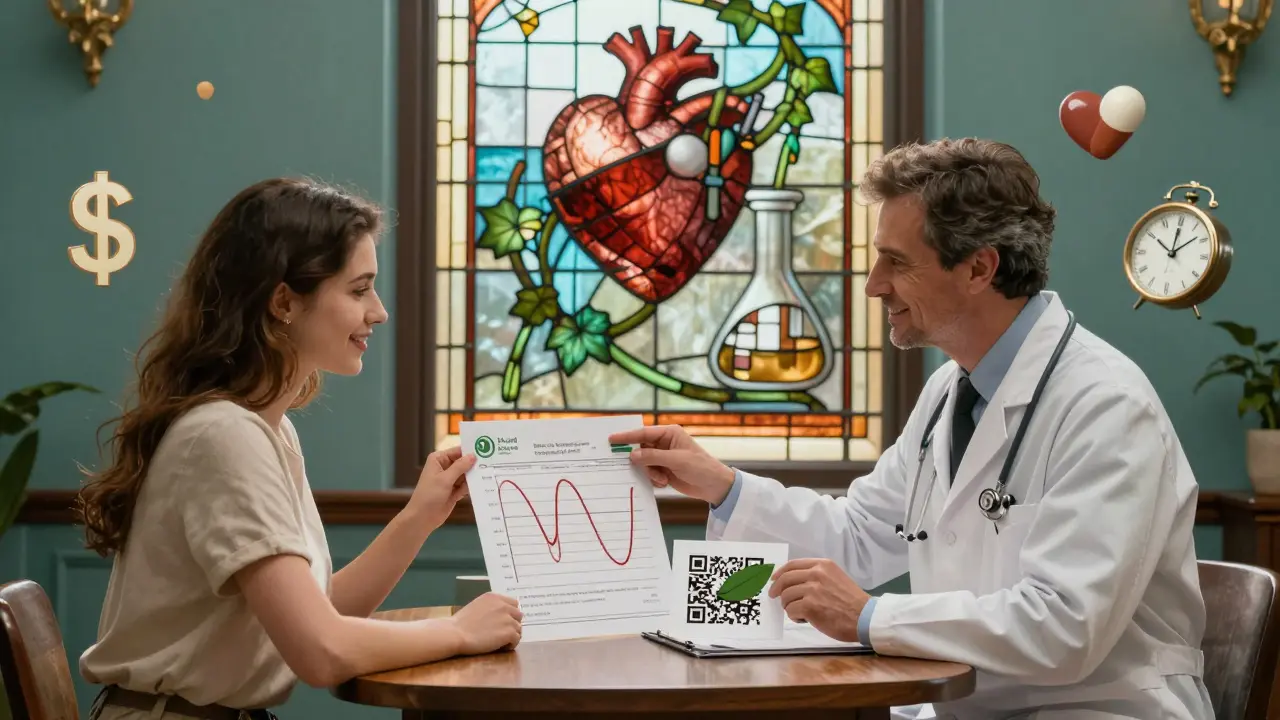
The FDA is spending $5 million in 2026 on patient education tools-videos, printed guides, even QR codes on prescription labels that link to simple explainer videos. Early results show these tools increase acceptance by 31% compared to verbal advice alone. Authorized generics-brand-name companies selling their own generic version-are also growing. If a patient refuses a generic, ask: "Would you be more comfortable with the brand’s own generic?" It’s the same medicine, same manufacturer, just cheaper. And soon, biosimilars-complex generics for biologic drugs like insulin or rheumatoid arthritis treatments-will become common. The same principles apply: explain, listen, link to goals. But the stakes are higher. Start practicing now.What You Can Do Today
1. Don’t assume patients understand generics. Even if they’ve been on them for years, they might not know why. 2. Use the TELL framework every time you switch a prescription. 3. Document concerns in the patient’s record. Note which generic manufacturer they’re on and any reported side effects. 4. Offer alternatives if they’re uncomfortable. There are often 3-5 generic manufacturers for one drug. Find one that matches their prior experience. 5. Follow up. Call or message in 5-7 days: "How’s the new pill feeling?" A simple check-in boosts adherence by 22%. This isn’t about pushing generics. It’s about making sure patients get the medicine they need-without fear, without confusion, without cost standing in the way.Why This Matters More Than Ever
Medicare Part D patients saved an average of $1,269 per year just by using generics. That’s not a statistic. That’s someone keeping their lights on. That’s someone taking their blood pressure pill every day because they can afford it. The science is solid. The savings are real. But the human part? That’s up to you.Are generic drugs really the same as brand-name drugs?
Yes. The FDA requires generics to have the exact same active ingredient, strength, dosage form, and route of administration as the brand-name version. They must also prove bioequivalence-meaning they deliver the same amount of medicine into the bloodstream at the same rate. The only differences are in inactive ingredients like color, shape, or fillers, which don’t affect how the medicine works.
Why do generic pills look different from brand-name ones?
Trademark laws prevent generic manufacturers from making pills that look identical to brand-name versions. That’s why the color, shape, or size might be different. But the medicine inside is the same. The FDA doesn’t allow generics to copy the appearance of branded drugs, even if it’s just for recognition.
Can switching to a generic cause side effects?
Sometimes, but not because the active ingredient changed. Different manufacturers use different inactive ingredients-like dyes or binders-that can cause minor reactions in sensitive individuals. A headache or upset stomach after switching isn’t the medicine failing-it’s the body adjusting. If this happens, you can try a different generic manufacturer or go back to the brand. The goal is finding what works best for the patient.
Are generics safe for chronic conditions like high blood pressure or diabetes?
Yes. A major review of 47 studies involving over 9,000 patients found no clinically meaningful difference in effectiveness between generic and brand-name drugs for heart disease, diabetes, and other chronic conditions. Cost is often the biggest barrier to adherence-and generics remove that barrier without sacrificing safety or results.
What should I do if a patient refuses a generic?
Don’t push. Ask why. Is it cost? Fear? A bad experience with a previous generic? Offer alternatives: try a different manufacturer, use an authorized generic (same company, lower price), or check if the brand is covered under a coupon program. Document their concerns and revisit the conversation later. Sometimes, just knowing they have options makes them more willing to try.
Do generics take longer to work than brand-name drugs?
No. Bioequivalence testing proves generics release the active ingredient into the bloodstream at the same rate and to the same extent as the brand. If a patient feels the generic takes longer to work, it’s likely psychological-or they’re comparing it to a different formulation (like extended-release vs immediate-release). Always confirm the dosage form matches what they were on before.
Is it true that some generics are made in countries with lower quality standards?
All generic drugs sold in the U.S. must meet the same FDA manufacturing standards as brand-name drugs, no matter where they’re made. The FDA inspects every facility-whether in the U.S., India, or elsewhere-before approving a generic. If a facility doesn’t meet the standard, the drug isn’t allowed on the market. Quality isn’t determined by country-it’s enforced by regulation.


