
Statins in Women: What You Need to Know About Sex-Specific Side Effects

Feb, 3 2026
Statin Side Effect Risk Calculator for Women
Your Risk Factors
Your Personalized Risk Assessment
Based on your answers and medical research, your risk level is:
Recommended Actions
- Consider starting with a lower statin dose
- Discuss alternative medications with your doctor
- Monitor blood sugar regularly if post-menopausal
- Track symptoms using the journaling guide
- Ask about genetic testing for SLCO1B1 variants
When doctors prescribe statins, they’re usually thinking about lowering cholesterol to prevent heart attacks and strokes. But for women, the story doesn’t end there. Statins work the same way in men and women - blocking an enzyme that makes cholesterol - but the side effects women experience are different, more common, and often dismissed. If you’re a woman taking a statin and you’ve felt muscle pain, fatigue, or just "off" since starting the pill, you’re not imagining it. You’re not alone. And you’re not overreacting.
Why Women Get More Side Effects
Statins were tested mostly on men in early clinical trials. That’s not a coincidence - it was standard practice for decades. But women aren’t just smaller versions of men when it comes to how drugs move through their bodies. Women have lower kidney function on average, higher body fat percentages, and different liver enzyme activity. These aren’t small differences. They change how statins are absorbed, processed, and cleared from the body. For example, women typically have 15-20% lower glomerular filtration rates than men after adjusting for body size. That means statins stick around longer in their bloodstream. Add in higher body fat - women average 25-30% body fat compared to 15-20% in men - and the drugs get stored in fat tissue, slowly releasing back into circulation. The result? Women end up with higher drug exposure over time, even when taking the same dose as men. This isn’t theory. It’s backed by real-world data. The USAGE survey, which tracked over 10,000 statin users, found that 31% of women reported muscle symptoms like aches, weakness, or cramps, compared to just 26% of men. That difference isn’t small. It’s statistically significant. And it’s why more women stop taking statins than men.Muscle Pain: The Most Common Reason Women Quit
Muscle pain is the #1 reason women stop statins. Not because they’re weak. Not because they’re exaggerating. But because their bodies handle the drug differently. Studies show that 28.7% of women switched or quit statins due to side effects, compared to 22.1% of men. The pain isn’t always sharp. Sometimes it’s just a dull ache in the thighs or shoulders. Or a feeling of heaviness when climbing stairs. Many women assume it’s aging, stress, or too much walking. But if it started after beginning a statin, it’s likely related. The risk goes up with age. Women over 65 are 1.5 to 2 times more likely to develop statin-induced myopathy than men their age. Why? Lower kidney function, more medications (polypharmacy), and changes in how fat and muscle store drugs. A 70-year-old woman on simvastatin, a calcium channel blocker for blood pressure, and a blood thinner is at much higher risk than a man on the same combo. Drug interactions aren’t gender-neutral - they hit women harder.Diabetes Risk: A Hidden Trade-Off
Statins slightly increase the risk of type 2 diabetes. The FDA added this warning in 2012. But for women, especially after menopause, this risk is real and often overlooked. A 2015 analysis of 95,700 people found that statins raised diabetes risk by 9% over four years. A 2013 study focused on post-menopausal women showed this risk wasn’t tied to the dose or type of statin - any statin, at any dose, could trigger it after three years of use. Why? Hormonal shifts after menopause already make insulin less effective. Statins add another layer of metabolic stress. That doesn’t mean women shouldn’t take statins. For women with high cholesterol and heart disease risk, the benefit of preventing a heart attack far outweighs the diabetes risk. But it does mean women need to be monitored. Fasting blood sugar should be checked every 3-6 months after starting a statin. If levels creep up, it’s not a reason to panic - it’s a reason to talk to your doctor about adjusting the dose or adding lifestyle changes.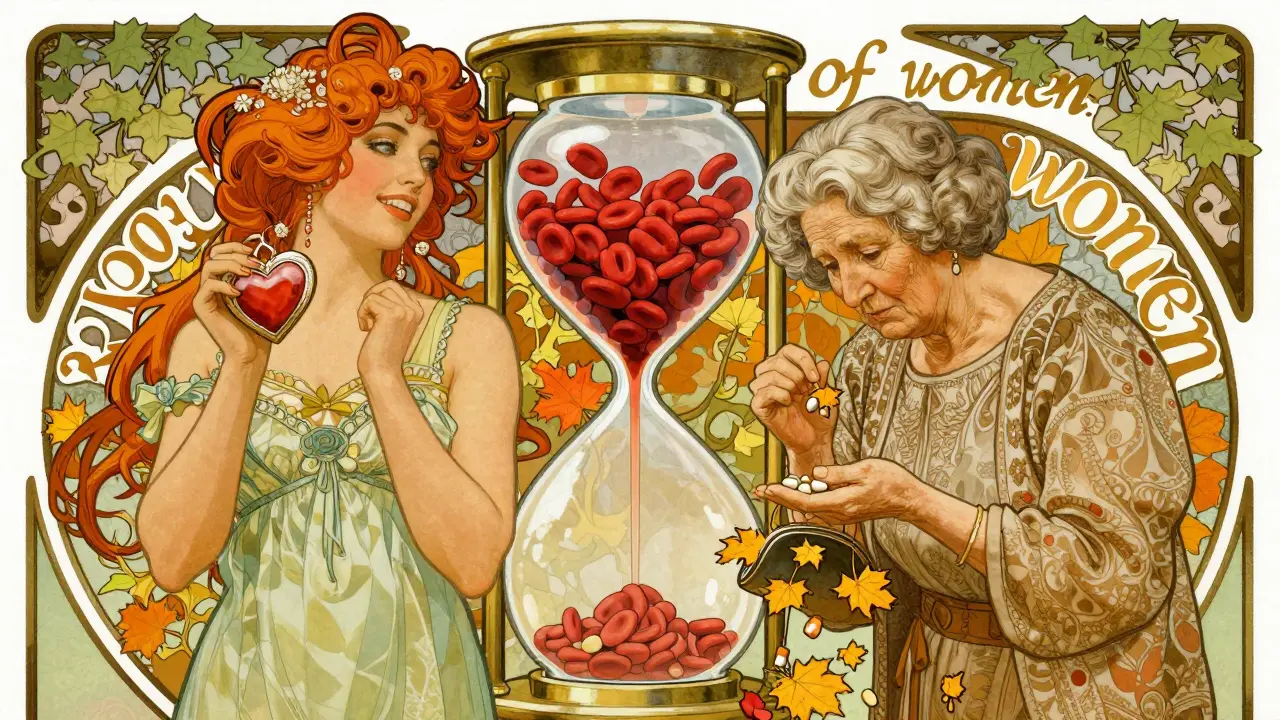
Communication Gaps: When Your Doctor Doesn’t Listen
Here’s the part no one talks about enough: women’s symptoms are often ignored. A 2019 study of nearly 5,700 patients found women were 34% more likely than men to say their doctor never explained how cholesterol causes heart disease. Forty-two percent of women reported never getting a clear explanation - compared to 31% of men. If you don’t understand why you’re taking a drug, you’re more likely to stop it at the first sign of discomfort. And when women report side effects? They’re more likely to be told it’s "just aging," "stress," or "not related." But the data says otherwise. Women are 2.3 times more likely than men to try three or more different statins before finding one they can tolerate. Yet, they’re 37% less likely to be offered alternatives like ezetimibe or PCSK9 inhibitors when statins don’t work. This isn’t about bad doctors. It’s about bias. For years, medical training didn’t emphasize sex-specific drug responses. Many providers still think of women as "higher risk for side effects" rather than "different in how they respond." That mindset leads to under-treatment - and under-support.Special Cases: Pregnancy, Menopause, and Older Age
Women face unique challenges at every stage of life. Pregnancy: All statins are classified as Pregnancy Category X. That means they can cause birth defects. If you’re sexually active and taking a statin, your doctor should have discussed contraception. Yet, a 2022 review found that 15% of statin prescriptions to women aged 18-45 had no documented plan for pregnancy prevention. Menopause: This is a turning point. Estrogen drops. Cholesterol rises. Heart disease risk jumps. But so does statin intolerance. A 2018 study showed 41% of post-menopausal women reported muscle pain, compared to 33% of pre-menopausal women. Hormonal changes affect muscle metabolism. Statins can worsen that. Older women: Women over 75 taking statins have 2.1 times higher risk of hospitalization due to side effects than men their age. Why? Polypharmacy. Many are on blood pressure meds, blood thinners, or thyroid pills. Simvastatin combined with calcium channel blockers? Risk of muscle damage jumps 300%. That’s not a small interaction - it’s a red flag.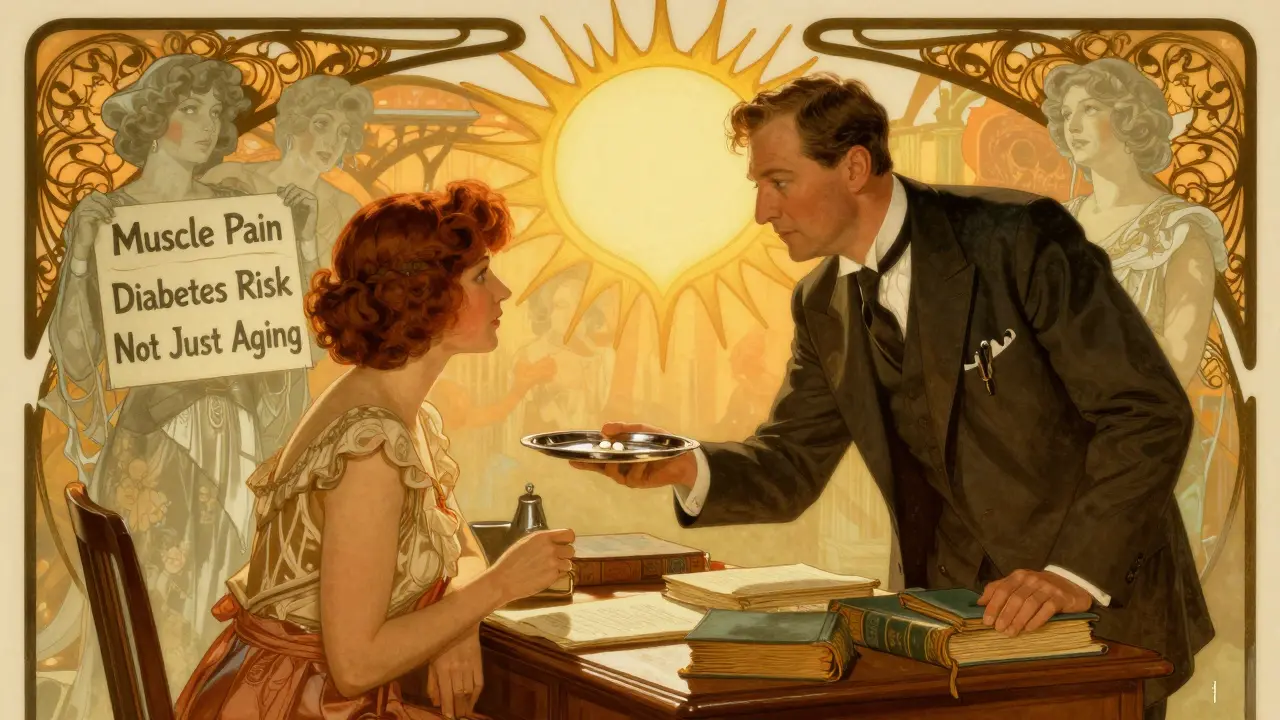
What Can You Do?
You don’t have to suffer through side effects. There are smarter ways to take statins.- Start low, go slow. Instead of starting with 20mg of atorvastatin, begin with 10mg. Studies show this cuts discontinuation rates by over 30% in women.
- Ask about alternatives. If muscle pain persists, ask about ezetimibe (Zetia) or bempedoic acid (Nexletol). These lower LDL without the same muscle risks.
- Get genetic tested. A gene called SLCO1B1 affects how your body processes statins. About 23% of women carry a variant that increases muscle injury risk. A simple blood test can tell you if you’re one of them.
- Track your symptoms. Keep a log: when the pain started, what you were doing, whether it got worse after exercise or rest. Bring it to your doctor. Data beats anecdotes.
- Check your blood sugar. If you’re over 50, get fasting glucose checked every 6 months. Catching early insulin resistance can prevent full-blown diabetes.
It’s Not About Avoiding Statins - It’s About Getting It Right
Statins save lives. For women with high cholesterol, diabetes, or a history of heart disease, they’re one of the most effective tools we have. But the one-size-fits-all approach doesn’t work. Women aren’t broken. They’re different. The goal isn’t to avoid statins. It’s to use them smarter. Start lower. Monitor closer. Listen better. Ask for alternatives. Demand explanations. If your doctor dismisses your symptoms, find one who doesn’t. Your heart - and your body - deserve better.Do statins cause more side effects in women than in men?
Yes. Women are more likely to experience muscle pain, fatigue, and other side effects from statins. Studies show 31% of women report muscle symptoms compared to 26% of men. Women also discontinue statins at higher rates due to these side effects, partly because of biological differences in how their bodies process the drugs.
Why are women more sensitive to statin side effects?
Women have lower kidney function, higher body fat, and different liver enzyme activity than men. These factors lead to higher drug exposure over time. After menopause, hormonal changes also affect muscle metabolism, increasing the risk of muscle pain. Older women are especially vulnerable due to polypharmacy and slower drug clearance.
Can statins cause diabetes in women?
Yes. Statins slightly increase the risk of type 2 diabetes, and this effect appears slightly higher in women - especially after menopause. A 2015 meta-analysis found a 9% increased risk over four years of use. For post-menopausal women, the risk is present regardless of statin type or dose. Regular fasting glucose checks every 3-6 months are recommended.
Should women take a lower dose of statins?
Yes, starting with a lower dose is often recommended for women. Research shows that beginning with atorvastatin 10mg instead of 20mg improves tolerance and adherence by over 30%. Women should not be automatically started on the same dose as men. Individualized dosing based on age, weight, and other medications is key.
What should I do if I have muscle pain on statins?
Don’t stop without talking to your doctor. Muscle pain could be a side effect, but it could also be unrelated. Ask for a blood test to check creatine kinase (CK) levels, which indicate muscle damage. Consider switching to a different statin (like pravastatin or fluvastatin, which are less likely to cause muscle issues) or trying non-statin options like ezetimibe. Genetic testing for SLCO1B1 variants can also help guide your next steps.
Are there alternatives to statins for women?
Yes. If statins aren’t tolerated, alternatives include ezetimibe (Zetia), bempedoic acid (Nexletol), or PCSK9 inhibitors (like evolocumab). These drugs lower LDL cholesterol without the same muscle-related risks. Lifestyle changes - including a Mediterranean diet, regular exercise, and weight management - also play a powerful role in reducing heart disease risk.
Can I take statins if I’m planning to get pregnant?
No. All statins are classified as Pregnancy Category X, meaning they can cause birth defects. If you’re sexually active and taking a statin, your doctor should discuss reliable contraception. Statins should be stopped at least 3 months before attempting pregnancy. Always talk to your provider before stopping or starting any medication if you’re planning to conceive.
Why do doctors sometimes not offer alternatives to statins for women?
Historically, statins were the go-to treatment, and alternatives were seen as expensive or reserved for extreme cases. Many providers still lack training on sex-specific drug responses. Women’s complaints are sometimes dismissed as "atypical" or "non-specific." But research shows women are more likely to need alternatives. Asking directly for options like ezetimibe or PCSK9 inhibitors can help bridge this gap.
If you’re a woman on statins and you’ve felt something off, trust that feeling. You’re not overreacting - you’re responding to real biological differences. The right treatment exists. It just might not be the one you were given.


