
Biosimilars: What They Are, How They Work, and Why They Matter
When you hear biosimilars, highly similar versions of complex biologic drugs made after the original patent expires. Also known as biologic generics, they offer the same clinical benefits as the original but at a fraction of the cost. Unlike regular generic drugs, which are simple chemical copies, biosimilars are made from living cells—like proteins, antibodies, or vaccines. That means they’re not exact duplicates, but they’re close enough that regulators like the FDA and EMA approve them as safe and effective replacements.
They’re not the same as generic drugs, simple chemical copies of small-molecule medications. A generic version of aspirin or metformin is straightforward—it’s the same molecule, made in a lab. But a biologic drug, a complex medication made from living organisms, often used for cancer, autoimmune diseases, or diabetes like Humira or Enbrel? That’s a whole different story. It’s like comparing a hand-crafted wooden chair to a factory-made copy. The copy isn’t identical, but it does the same job, lasts just as long, and costs way less.
Biosimilars are changing the game for people who need expensive treatments. A single course of a biologic drug can cost over $20,000 a year. Biosimilars often cut that by 30% to 70%. That’s not just savings for patients—it’s savings for hospitals, insurers, and entire healthcare systems. They’re not just cheaper alternatives. They’re necessary ones. With conditions like rheumatoid arthritis, Crohn’s disease, and type 1 diabetes affecting millions, access to affordable biologics isn’t optional—it’s life-saving.
And they’re not new. The first biosimilar was approved in Europe in 2006. The U.S. followed in 2015. Since then, dozens have hit the market. You’ll find them for cancer drugs, insulin, and even eye treatments. But confusion still exists. Some people think biosimilars are "inferior" or "experimental." They’re not. They’ve been tested in clinical trials against the original. They work the same way. Side effects? About the same. Effectiveness? Just as strong.
What you won’t find in this collection are marketing fluff or vague claims. Instead, you’ll see real comparisons—like how Renagel stacks up against other phosphate binders, or how Xalatan compares to other glaucoma drops. The same level of detail applies here. You’ll learn how biosimilars are made, how they’re approved, and why they’re sometimes the only option for people who can’t afford the original. You’ll also see how pharmacists help patients switch safely, how insurance plans cover them, and why some doctors still hesitate to prescribe them.
This isn’t about theory. It’s about real people getting the meds they need without going broke. Whether you’re a patient, a caregiver, or just someone trying to understand how drug prices work, biosimilars are one of the biggest shifts in medicine today. And what you’re about to read will show you exactly why.
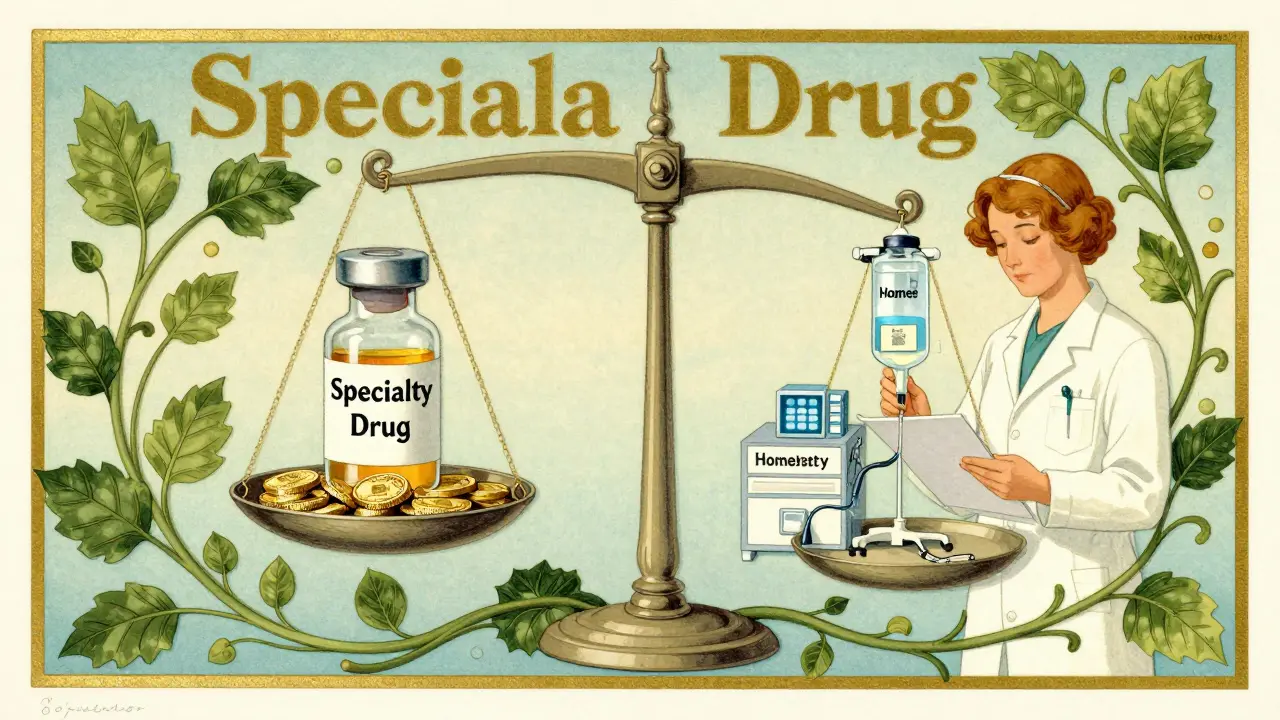
How to Reduce Costs for Specialty Medications and Injectables
Caspian Mortensen Mar, 3 2026 13Specialty medications cost 50% of pharmacy spending but make up only 2% of prescriptions. Learn how formulary management, biosimilars, narrow pharmacy networks, and home infusions can slash costs without cutting care.
More Detail
Authorized Biologic Alternatives: How Biosimilars Work Like Generics
Caspian Mortensen Jan, 27 2026 12Biosimilars are the closest equivalent to generics for complex biologic drugs. They're highly similar, FDA-approved, and can save patients thousands - but confusion and hesitancy slow their adoption.
More Detail
Lot-to-Lot Variability in Biologics and Biosimilars: What You Need to Know
Caspian Mortensen Nov, 12 2025 8Lot-to-lot variability is a natural part of biologics and biosimilars due to their complex manufacturing process. Unlike generics, these drugs aren't identical between batches-but they're rigorously controlled to ensure safety and effectiveness. Here's what you need to know.
More Detail