
Light Therapy: How Bright Light Treats Depression, Sleep Disorders, and More
When you sit in front of a light therapy, a non-drug treatment that uses artificial bright light to mimic natural sunlight and regulate biological rhythms. Also known as phototherapy, it’s not just for winter blues—it’s a clinically backed tool for resetting your circadian rhythm, your body’s internal 24-hour clock that controls sleep, hormones, and mood. Unlike caffeine or sleeping pills, it doesn’t mask symptoms—it fixes the root cause: mismatched light exposure.
Most people think of seasonal affective disorder, a type of depression that hits during darker months due to reduced sunlight when they hear "light therapy," but it’s used far beyond that. Doctors prescribe it for shift workers struggling to sleep, people with delayed sleep phase disorder, and even those with non-seasonal depression who haven’t responded to meds. Studies show 60-80% of users see improvement in mood and energy within a week. The science is simple: bright light hitting your eyes tells your brain to stop making melatonin (the sleep hormone) and start producing serotonin (the mood booster). No pills. No injections. Just 20 to 60 minutes a day, ideally in the morning.
It’s not magic, though. The wrong timing can mess up your sleep even more. Using it too late in the day can delay your body clock instead of resetting it. And not all lights are equal—you need at least 10,000 lux of full-spectrum light, without UV rays. Many cheap lamps on Amazon won’t cut it. You’re not just buying a lamp; you’re buying a medical tool with specific output and safety standards. That’s why most guides recommend devices cleared by the FDA. If you’re on photosensitizing meds like certain antibiotics or acne treatments, talk to your doctor first. Light therapy is safe for most, but it’s not risk-free.
What you’ll find below are real, practical guides on how light therapy works for different conditions, what devices actually matter, and how to use it without making things worse. From fixing jet lag to managing bipolar depression, these posts cut through the hype and show you exactly what works—based on clinical evidence, not marketing.
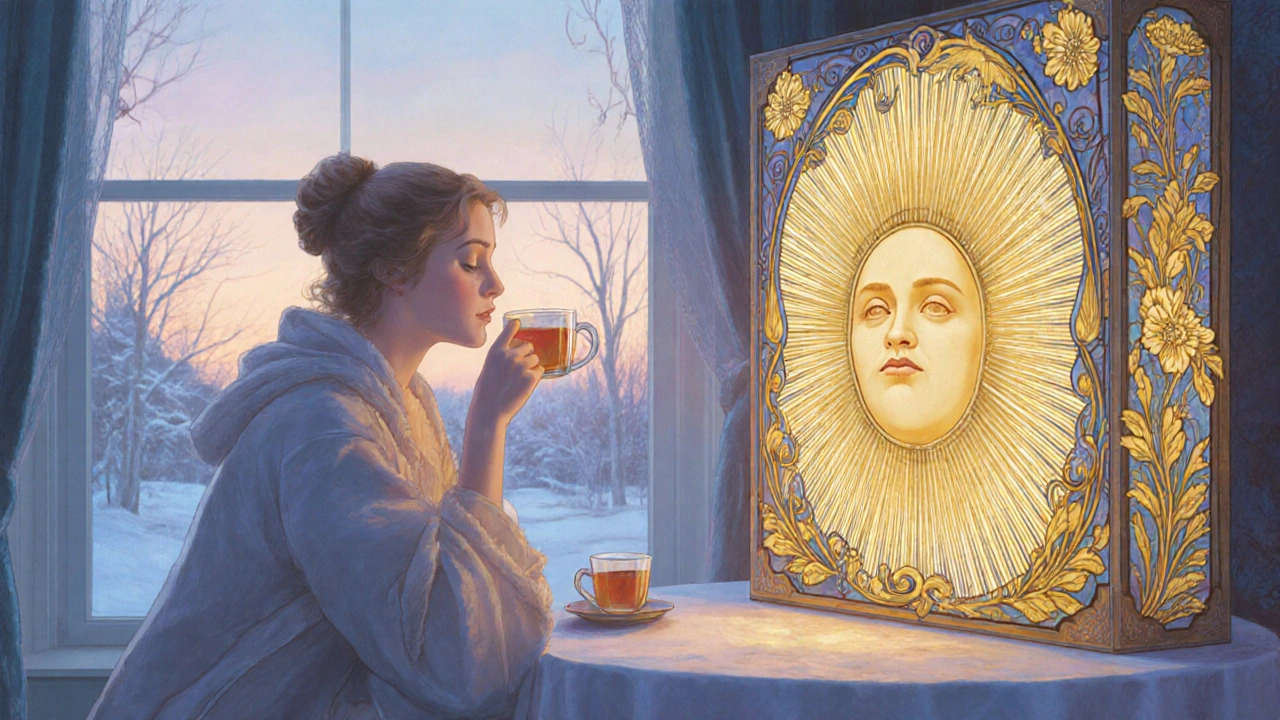
Seasonal Affective Disorder: How Light Therapy Helps with Winter Depression
Caspian Mortensen Nov, 23 2025 8Light therapy is a proven, drug-free treatment for seasonal affective disorder (SAD), helping reset your body clock and boost mood during dark winter months. Learn how it works, what devices to choose, and how to use it effectively.
More Detail