
Elderly Patients Switching to Generics: What You Need to Know About Age-Related Risks and Benefits

Jan, 24 2026
When older adults switch from brand-name drugs to generics, it’s not just a cost-saving move-it’s a health decision with real consequences. Many assume generics are identical to brand-name pills, and for most people, they are. But for elderly patients, especially those taking multiple medications, even tiny differences can matter. The truth is, switching to generics isn’t always straightforward for seniors. It’s not about whether generics work-it’s about how they work in aging bodies.
Why Generics Are Common for Seniors
Medicare Part D beneficiaries filled over 527 million generic prescriptions in 2022-nearly 9 out of every 10 prescriptions. That’s because generics cost, on average, $602 less per beneficiary each year. For fixed-income seniors, that adds up fast. A $327 annual savings on blood pressure meds might mean choosing between medicine and groceries. So it’s no surprise that generic use has climbed from 72% in 2010 to nearly 89% today. But here’s the catch: cost savings don’t mean better outcomes if patients stop taking their meds. About 21% to 55% of elderly patients don’t stick with their prescriptions after switching to generics-not because they’re lazy, but because they feel something’s off.What Seniors Think About Generics
A 2023 study of 315 Medicare patients in New York found fewer than half believed generics were as safe or effective as brand-name drugs. That’s not just misinformation-it’s a deep-rooted fear. Many seniors remember stories from decades ago when generics weren’t as tightly regulated. Others saw their pills change color, shape, or size after a refill and assumed the medicine changed too. One Reddit thread from June 2024 had 147 elderly users sharing experiences with generic levothyroxine. Seventy-three percent said their fatigue, weight gain, or brain fog returned after switching from Synthroid. While science hasn’t proven a difference in effectiveness, these reports are real to the people living them. And when patients feel worse, they skip doses. That’s when danger starts.How Aging Changes How Drugs Work
Your body doesn’t process medicine the same way at 80 as it did at 50. As we age, kidneys slow down. Liver blood flow drops. Fat and muscle ratios shift. These changes mean drugs stay in the system longer-or don’t get absorbed the same way. For example, more than half of adults over 85 have kidney function below the level needed to clear many common drugs safely. Even a small difference in how quickly a generic dissolves can tip the balance. That’s especially true for drugs with a narrow therapeutic index-medicines where the difference between a helpful dose and a dangerous one is tiny. Warfarin is the classic example. It’s used to prevent strokes in atrial fibrillation, but too much causes bleeding; too little causes clots. A 2021 Canadian study of nearly 135,000 patients found a nearly 18% higher chance of an emergency room visit within 30 days of switching warfarin brands. The American Geriatrics Society now advises against automatic substitution for seniors on warfarin unless doctors are closely monitoring INR levels.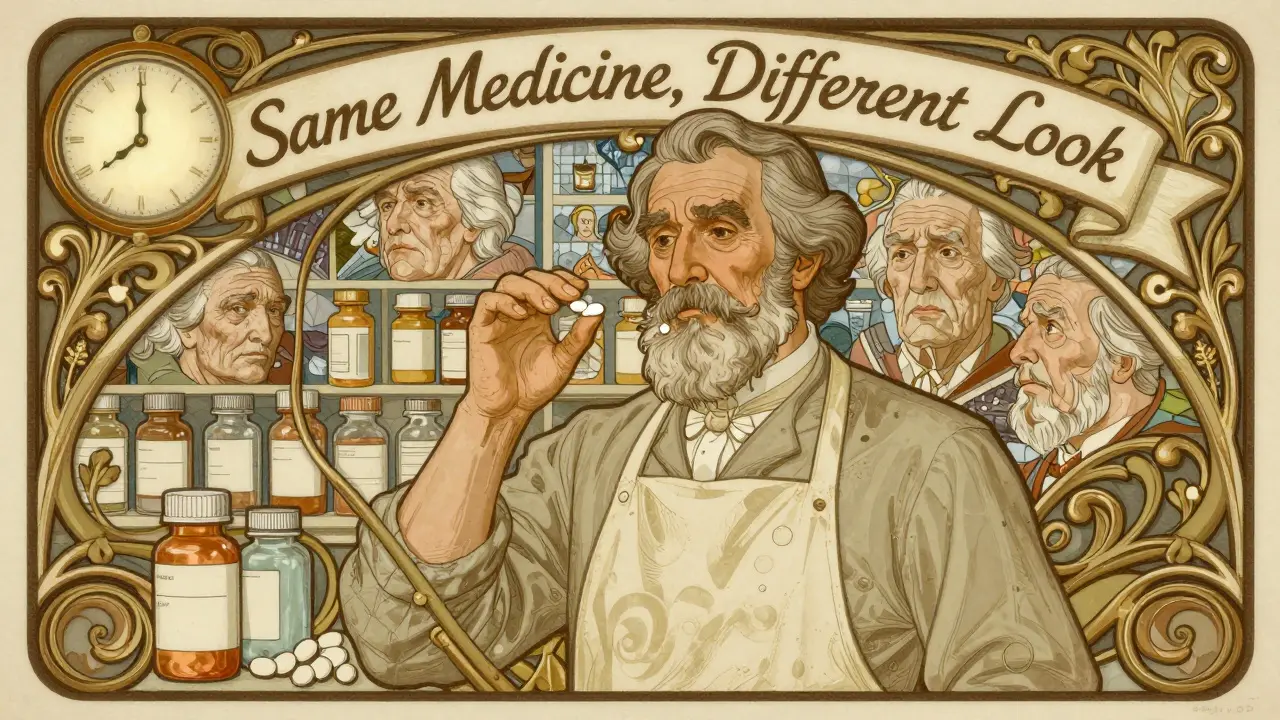
Polypharmacy Is the Silent Killer
Nearly half of all Medicare beneficiaries take five or more medications daily. That’s called polypharmacy. And it’s the biggest risk factor for bad outcomes. Seniors on multiple drugs are 91% more likely to be hospitalized because of a bad reaction, 60% more likely to lose mobility, and 26% more likely to suffer any adverse drug event. The problem isn’t just the number of pills-it’s the mix. Many seniors take over-the-counter painkillers like ibuprofen or acetaminophen on top of their prescriptions. One in four of these OTC meds contain multiple active ingredients. That means someone might be taking three different pills that all have acetaminophen-and unknowingly overdose. The Beers Criteria and STOPP/START guidelines, used by doctors nationwide, list medications that are risky for seniors. Some common ones include diphenhydramine (Benadryl) for sleep, certain anticholinergics for overactive bladder, and long-term benzodiazepines. These aren’t just outdated-they’re dangerous.When Generics Can Be Risky
Not all generics are created equal in the eyes of geriatric experts. Here are the drug classes where switching requires extra caution:- Warfarin - Even small bioequivalence shifts can cause dangerous INR fluctuations.
- Levothyroxine - Thyroid hormone levels are sensitive; many patients report symptoms returning after switching.
- Antiepileptics - Seizure control can be disrupted by minor formulation changes.
- Immunosuppressants - Drugs like cyclosporine need precise levels to prevent organ rejection.
- Some antidepressants - Especially SSRIs and SNRIs, where small changes can trigger withdrawal or mood shifts.
What Doctors and Pharmacists Can Do
The good news? Simple steps can make a big difference. Multidisciplinary teams-including clinical pharmacists-reduced inappropriate prescriptions by 37% in elderly emergency patients, according to a 2024 JAMA study. Pharmacists who review all meds during discharge can spot dangerous combinations and flag risky switches. One proven method is the “teach-back” technique. Instead of just saying, “This is the same medicine,” ask the patient: “Can you tell me in your own words why you’re taking this pill now?” Studies show this improves adherence by 42%. Visual aids help too. Show the patient the brand pill and the generic side by side. Point out the differences in shape or color. Say: “This is the same medicine, just made by a different company. It works the same way, but it looks different.” That simple conversation cuts confusion. Computerized systems that warn doctors about high-risk substitutions also help. When a clinician tries to switch a senior from brand to generic warfarin, the system can pop up a warning: “Consider maintaining brand for INR stability in patients over 75.”What Seniors and Families Should Ask
If you or a loved one is being switched to a generic, here are five questions to ask:- Is this medication on the Beers Criteria list for seniors? If so, is there a safer alternative?
- Is this a narrow therapeutic index drug? (Ask if it needs blood tests to monitor-like warfarin or thyroid meds.)
- Will I need extra monitoring after the switch? How often?
- Can I stay on the brand if I’m doing well? What’s the cost difference?
- Can you show me what the new pill looks like? Can I keep the old one for comparison?
The Bottom Line
Generics are safe for most seniors. For hypertension, diabetes, and high cholesterol, 82% of Medicare patients report no difference after switching. The savings are real, and the science supports it. But for those with complex health needs-multiple conditions, kidney issues, or critical medications-switching without planning can backfire. The goal isn’t to avoid generics. It’s to switch wisely. The best outcomes happen when the decision isn’t made by a pharmacy system or a cost calculator. It’s made by a doctor who knows the patient’s history, a pharmacist who checks every pill, and a patient who feels heard. Future research is underway. Three NIH trials are now studying brand vs. generic effectiveness in seniors with polypharmacy. Until then, the rule is simple: don’t assume. Ask. Monitor. Adjust.Are generic drugs really the same as brand-name drugs for elderly patients?
By law, generics must contain the same active ingredient, strength, and dosage form as the brand-name drug. They’re required to be bioequivalent, meaning they’re absorbed into the body at a similar rate. But for elderly patients-especially those with kidney or liver issues-small differences in how quickly the drug dissolves can matter. While most seniors see no difference, those on narrow therapeutic index drugs like warfarin or levothyroxine may need closer monitoring after a switch.
Why do some elderly patients feel worse after switching to generics?
It’s rarely because the generic is ineffective. More often, it’s because the pill looks different-different color, shape, or size-and patients mistake that for a change in strength. Others may be experiencing side effects from a new formulation’s inactive ingredients, like dyes or fillers. In some cases, switching triggers anxiety, which can worsen symptoms like fatigue or dizziness. For thyroid or seizure meds, even minor absorption changes can affect how the body responds. Always report feeling different to your doctor.
Which medications should seniors avoid switching to generics?
The American Geriatrics Society advises caution with drugs that have a narrow therapeutic index, where small changes in blood levels can cause harm. These include warfarin (blood thinner), levothyroxine (thyroid hormone), certain antiepileptics like phenytoin, immunosuppressants like cyclosporine, and some antidepressants. Automatic substitution without monitoring isn’t recommended for these. Always ask your doctor if your specific medication falls into this category.
How can I tell if my generic medication is working the same way?
Track your symptoms. If you’re on blood pressure meds, check your readings regularly. For thyroid meds, ask for a TSH blood test a few weeks after switching. For warfarin, your INR should be checked within 1-2 weeks. Keep a simple journal: note energy levels, sleep, dizziness, or new side effects. Bring this to your next appointment. If you feel worse, don’t assume it’s just aging-ask if the medication change could be the cause.
Is it safe to switch back to the brand-name drug if I’m worried?
Yes, if you’re experiencing side effects or feel the generic isn’t working, you can ask your doctor to switch back. Many insurers require a prior authorization for brand-name drugs, but if your doctor writes a letter explaining medical necessity-like symptoms returning after a switch-it’s often approved. Don’t stop your medication or switch back on your own. Always work with your healthcare team.
Can pharmacists help me understand my generic medications?
Absolutely. Pharmacists are trained to spot dangerous drug interactions and can explain why a generic might look different. Ask them to compare your old and new pills side by side. Many offer free med reviews, especially for seniors on five or more medications. Don’t just pick up your prescription-ask for a 10-minute consultation. It’s part of their job.


