
Pain Neuroscience Education: How to Change Your Pain Experience
Apr, 8 2026
| Feature | Biomedical Model | PNE Approach |
|---|---|---|
| Core Belief | Pain = Tissue Damage | Pain = Protective Brain Output |
| Primary Focus | X-rays and MRIs (Structure) | Neurophysiology (Function) |
| Patient Role | Passive recipient of care | Active learner and manager |
| Goal | "Fix" the damaged part | Reduce threat and improve function |
Breaking the Cycle of Fear and Pain
When we're told that a bulging disc in our back or a worn-out joint is the sole cause of our pain, we often start fearing movement. This is called fear-avoidance. You stop lifting your kids or walking the dog because you're afraid you'll "break" something further. This fear actually feeds the pain. Your brain perceives the situation as high-threat, which keeps the nervous system on high alert. Pain Catastrophizing is the tendency to dwell on the worst possible outcomes of pain, which ironically increases the intensity of the pain experience. PNE works by stripping away this threat. When you realize that a "stiff" joint doesn't necessarily mean a "damaged" joint, the brain lowers the volume on those pain signals. Research shows that PNE can reduce pain catastrophizing by about 6.2 points on a standard clinical scale, making the world feel a little less dangerous again.The Science Behind the Shift: Sensitization and Plasticity
To understand why PNE works, we have to look at how the nerves actually behave. Normally, pain is a helpful warning. But in chronic conditions, we encounter Central Sensitization, which is a state where the central nervous system becomes hyper-excitable, lowering the threshold for what the brain perceives as painful. It's like the volume knob on your pain has been turned up to ten and gotten stuck there. Fortunately, our brains are not hard-wired; they are plastic. Neuroplasticity is the brain's ability to reorganize itself by forming new neural connections throughout life. By learning the science of pain, you are essentially "re-training" your brain. fMRI studies have actually shown a 22% reduction in activity in the insular cortex-a part of the brain heavily involved in pain processing-after people undergo PNE. You aren't just "thinking positive"; you are physically changing the way your brain reacts to signals.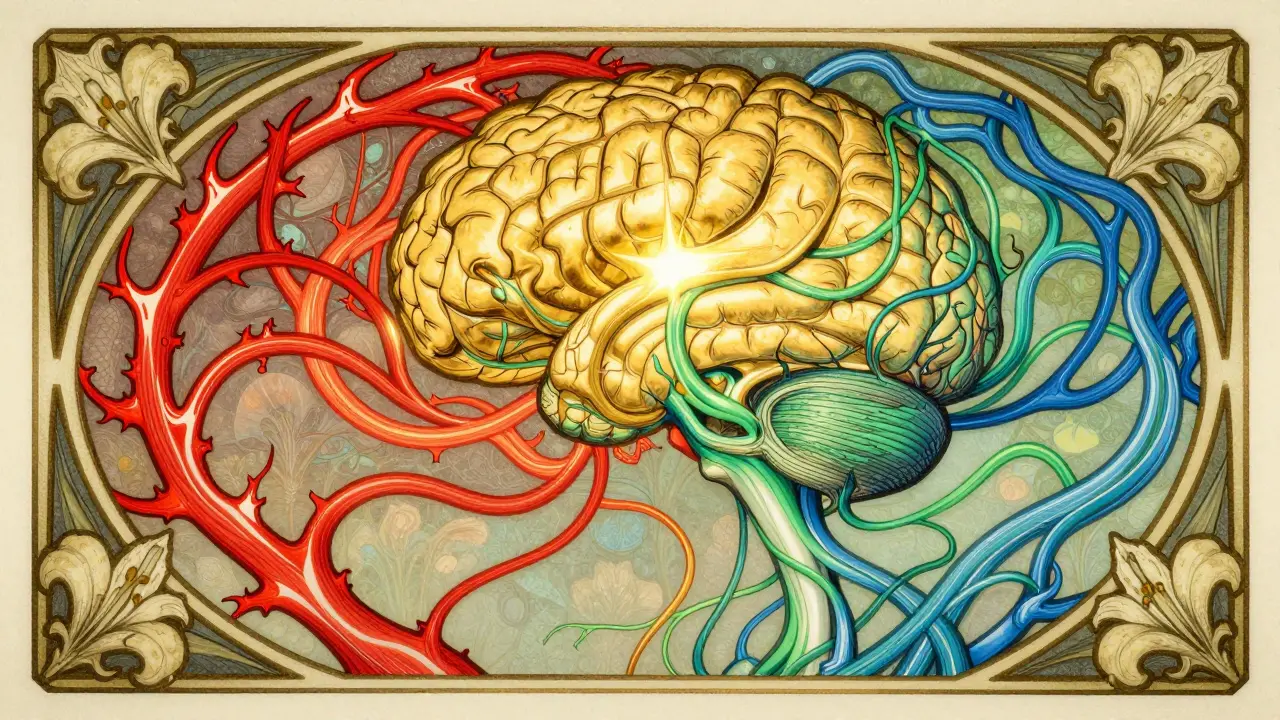
Practical Ways PNE is Delivered
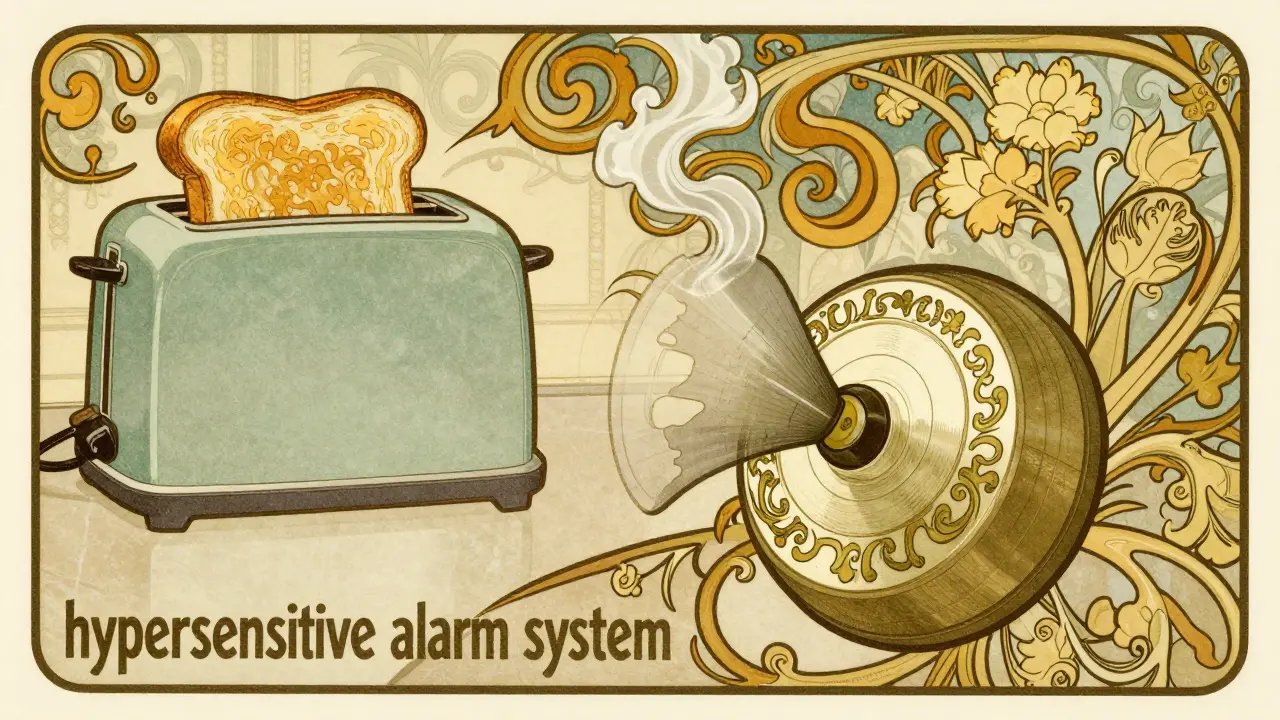
You won't usually find PNE as a textbook you read alone; it's a conversation. The most effective delivery is typically one-to-one sessions with a specialist, such as a physical therapist. One popular method is the "Explain Pain" approach, which uses simple metaphors and visual aids to make complex neurobiology easy to grasp. Instead of talking about nociceptors and A-delta fibers, a therapist might talk about "sensitive smoke alarms." Another approach is the Therapeutic Neuroscience Education model, which blends these biological explanations with cognitive-behavioral techniques. A typical session lasts about 30 to 45 minutes. The goal isn't to give you a PhD in neuroscience, but to give you a mental framework that makes your pain feel manageable. While digital apps like "Pain Revolution" are helping more people access these ideas, the human element of a therapist tailoring the message to your specific life story remains the gold standard.
Why PNE is Better Combined With Movement
Here is the secret: education is a powerful primer, but movement is the finisher. While learning about pain can reduce intensity (sometimes by nearly 2 points on a 10-point scale), the real magic happens when you pair that knowledge with physical activity. When you combine PNE with therapeutic exercise or manual therapy, outcomes for disability and pain reduction often jump by an additional 30-40%. Why? Because you are providing your brain with "safe" evidence. You learn that movement isn't dangerous (the PNE part), and then you actually move (the exercise part), proving to your nervous system that you are safe. This double-hit approach is why the American Physical Therapy Association now endorses PNE as a first-line intervention for chronic pain.Who Should (and Shouldn't) Use PNE?
PNE is a game-changer for those with persistent, chronic pain-think fibromyalgia, chronic low back pain, or long-term neck tension. However, it isn't a magic wand for every single type of pain. If you have an acute injury-like a fresh bone fracture or a severe post-surgical wound-the pain is primarily driven by actual tissue damage. In these cases, PNE is far less effective because the "smoke alarm" is actually detecting a real fire. It's also important to note that PNE requires a certain level of cognitive engagement. People with severe cognitive impairments or very low health literacy might find the complex concepts of neurophysiology frustrating or confusing. In those instances, therapists often simplify the language even further, focusing on "pain biology" rather than "neuroscience" to ensure the message lands.Does PNE mean my pain is "all in my head"?
Absolutely not. Your pain is 100% real. PNE doesn't suggest the pain is imaginary; it explains that the biopsychosocial model of pain means the brain creates the sensation based on many inputs. The pain is real, but the cause may be a sensitive nervous system rather than ongoing tissue damage.
How long does it take to see results from Pain Neuroscience Education?
It varies, but most clinical guidelines suggest delivering PNE within the first three sessions of treatment. While some people feel an immediate sense of relief from the "aha!" moment of understanding, long-term functional improvements usually happen as PNE is paired with graded movement over several weeks.
Can I do PNE on my own with an app or book?
Yes, tools like the Explain Pain handbook or digital apps can be very helpful. However, because PNE relies on shifting your personal beliefs about your body, a trained professional can help you navigate the emotional side of this shift and ensure you don't accidentally reinforce fear-avoidance behaviors.
Is PNE a replacement for medication?
It is a non-pharmacological intervention that can complement medication. Many patients find that as their understanding of pain improves and they become more active, they are able to reduce their reliance on pain meds, but this should always be done under a doctor's supervision.
What happens if PNE doesn't work for me?
Some patients find the science "too much" or have unrealistic expectations that the education will eliminate pain instantly. If PNE isn't clicking, it may be that the delivery style isn't a match or that your pain is driven by other factors. Exploring a combination of PNE, Cognitive Behavioral Therapy (CBT), and physical activity is usually the most robust strategy.