
FDA Generic Approval: What It Really Means for Your Medications
When you see FDA generic approval, the official process the U.S. Food and Drug Administration uses to confirm that a generic drug is safe, effective, and identical in performance to its brand-name version. Also known as ANDA approval, it’s the gatekeeper that lets you buy the same medicine for a fraction of the price. This isn’t just bureaucracy—it’s what keeps your prescriptions affordable without cutting corners on safety.
Behind every approved generic drug is a strict requirement: bioequivalence, the scientific proof that the generic delivers the same amount of active ingredient into your bloodstream at the same rate as the brand-name drug. The FDA doesn’t just accept claims—they test it. They run studies comparing blood levels, check manufacturing sites, and demand the same quality controls. That means your generic lisinopril, metformin, or sertraline isn’t a cheaper copy—it’s the same medicine, made under the same rules.
But here’s what most people don’t realize: FDA regulations the strict set of guidelines governing how generic drugs are developed, tested, and produced to ensure they meet the same standards as brand-name drugs. These rules cover everything from the shape of the pill to the purity of the ingredients. Even the inactive ingredients—fillers, dyes, coatings—have to be safe and consistent. The FDA doesn’t allow shortcuts, even if the brand-name drug is off-patent. That’s why you can trust a generic from a small manufacturer just as much as one from a big name.
And it’s not just about cost. generic medications affordable versions of brand-name drugs that contain the same active ingredient, strength, dosage form, and route of administration. They’re the reason millions of people with diabetes, high blood pressure, or depression can stick to their treatment. Without FDA generic approval, many of these drugs would be out of reach. Pharmacists rely on this system to help patients choose what works—and what they can afford.
Some people worry about lot-to-lot differences or switching between generics. But the FDA requires every batch to meet the same bioequivalence standard. A generic made today must work the same as one made six months ago. That’s not guesswork—that’s science. And while biologics have their own rules, for the vast majority of pills and capsules, FDA generic approval means you’re getting the exact same therapeutic effect.
What you’ll find in these posts isn’t theory—it’s real-world insight. You’ll see how pharmacists use FDA generic approval to cut costs and improve adherence. You’ll learn why certain medications like SGLT2 inhibitors or metoprolol have generic versions that work just as well. You’ll understand how kidney function, drug interactions, and even workplace wellness tie back to whether a drug has been properly approved. This isn’t about marketing. It’s about knowing what’s in your medicine, why it works, and how to make sure you’re getting the right one every time.
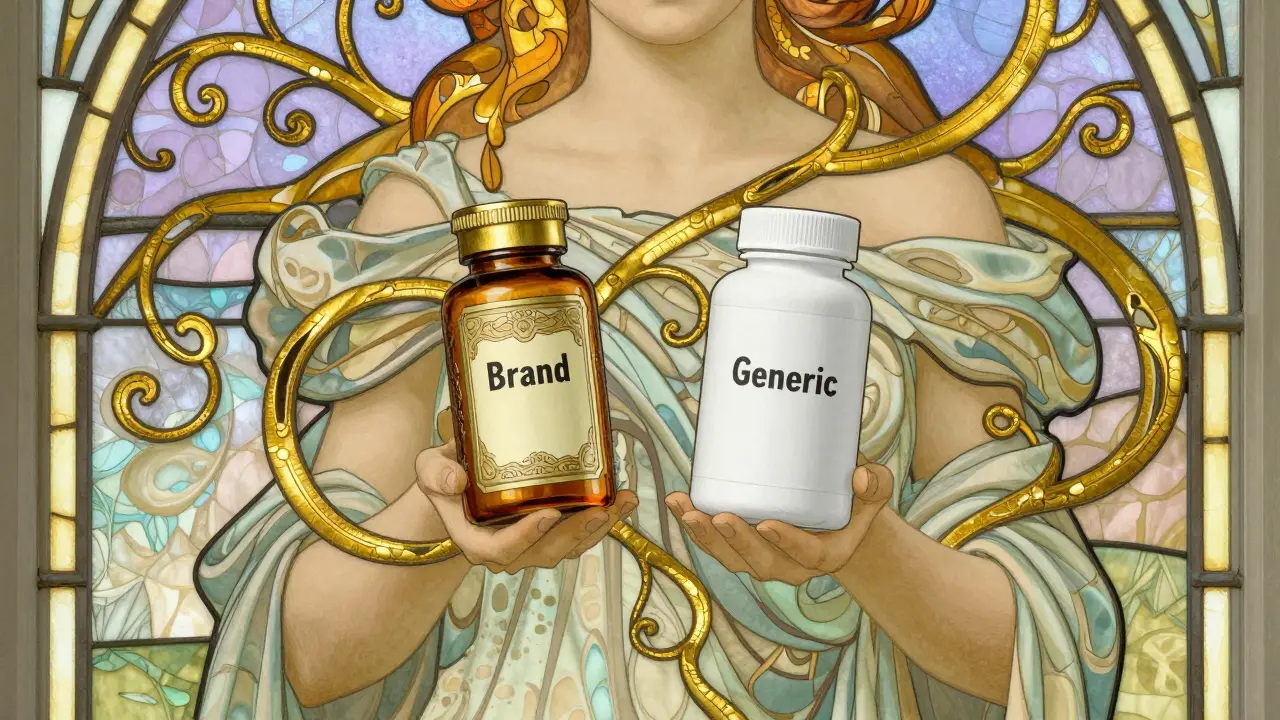
Are Generic Drugs as Safe as Brand-Name Drugs? The Clinical Evidence Explained
Caspian Mortensen Dec, 23 2025 11Generic drugs save money but are they as safe and effective as brand-name versions? Clinical evidence shows they work the same for most people - except for a few critical medications where consistency matters most.
More Detail
Generic vs Brand-Name Drugs: Key Differences Explained
Caspian Mortensen Nov, 17 2025 12Generic drugs are just as effective and safe as brand-name drugs but cost up to 85% less. Learn how they're approved, when to choose them, and why most people see no difference in results.
More Detail