
Kidney Dialysis Outcomes: What Really Happens After Treatment
When your kidneys fail, kidney dialysis, a life-sustaining treatment that filters waste and extra fluid from the blood when kidneys can’t. Also known as renal replacement therapy, it doesn’t cure kidney disease—but it keeps you alive. But survival isn’t the whole story. Many people on dialysis live for years, but how they live matters just as much. Some feel strong enough to work, travel, and spend time with family. Others struggle with fatigue, diet limits, and hospital visits that never end. The difference? It’s not just about the machine—it’s about how the treatment fits into your life, what other health problems you have, and whether your care team adjusts to your needs.
Not all dialysis is the same. hemodialysis, a type of dialysis done in a clinic three times a week using a machine to clean your blood is common, but peritoneal dialysis, a home-based method that uses the lining of your belly to filter waste gives more flexibility. Studies show people on peritoneal dialysis often report better quality of life early on, but both methods have similar long-term survival rates. What really changes outcomes? Sticking to your schedule, managing fluid intake, controlling blood pressure, and avoiding infections. One missed session can spike your potassium to dangerous levels. Poor nutrition can weaken your muscles and make you more likely to fall. And if you’re on dialysis because of diabetes or high blood pressure, those conditions don’t just disappear—they keep working against you.
Side effects are part of the picture too. Low blood pressure during treatment, itchy skin from phosphorus buildup, and muscle cramps are common. Some people develop anemia or bone problems because dialysis can’t fully replace what healthy kidneys do. That’s why many need extra meds—like erythropoietin for red blood cells or phosphate binders like Renagel (Sevelamer), a medication used to control phosphorus levels in people with kidney disease. These aren’t optional extras—they’re part of keeping you stable between sessions.
And then there’s the bigger question: Is dialysis the best path for you? For some, a kidney transplant is a better long-term option. For others, especially older adults with other serious health issues, dialysis might not improve life enough to justify the burden. That’s why conversations with your doctor about goals—not just numbers—are so important. The goal isn’t just to extend time. It’s to make that time worth living.
What you’ll find below are real, practical guides that cut through the noise. From how dialysis affects your meds—like dosulepin or phosphate binders—to what actually helps people feel better day to day, these posts give you the facts without the fluff. No marketing. No hype. Just what works—and what doesn’t—for people living with kidney failure.
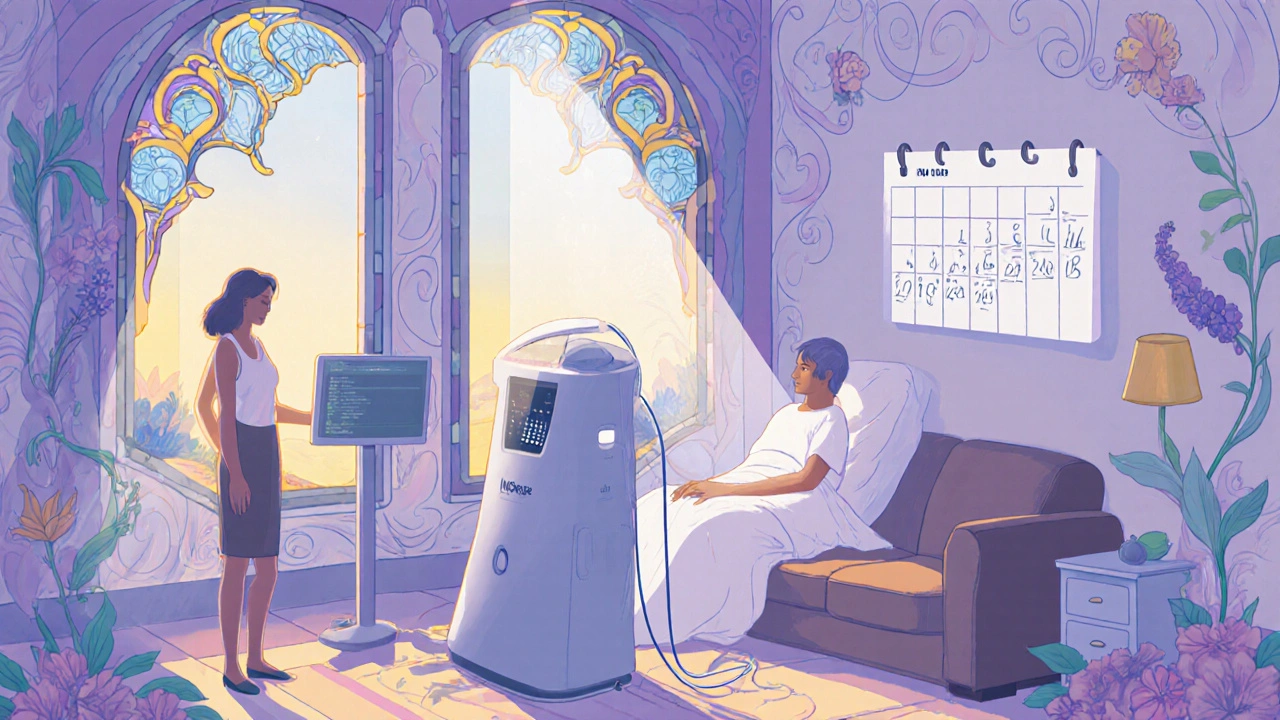
Home Hemodialysis: Schedules, Training, and Outcomes
Caspian Mortensen Nov, 14 2025 8Home hemodialysis offers greater flexibility and better health outcomes than in-center treatments. Learn about training timelines, treatment schedules, care partner requirements, and real-world outcomes for kidney patients managing dialysis at home.
More Detail