
Narrow Therapeutic Index: Why Some Medications Need Precise Dosing
When a drug has a narrow therapeutic index, the range between an effective dose and a toxic one is very small. Also known as a narrow therapeutic window, it means even a slight overdose or underdose can cause serious harm—or make the medicine useless. This isn’t just a technical detail. For drugs like warfarin, lithium, digoxin, or phenytoin, getting the dose wrong can land you in the hospital—or worse.
These drugs don’t play nice with changes in your body. If your kidneys slow down, your liver gets busy with another medication, or you start eating more leafy greens, the way your body handles the drug can shift fast. That’s why blood tests are often required. For example, someone on warfarin needs regular INR checks because too much raises bleeding risk, and too little lets clots form. Lithium? A tiny spike can cause tremors, confusion, or even seizures. These aren’t side effects you can ignore. They’re signs the drug is no longer in its safe zone.
It’s not just about the drug itself—it’s about how it interacts with everything else. A common antibiotic might raise your lithium level. A new painkiller could make your phenytoin less effective. Even switching from one generic version to another can matter, because absorption rates aren’t always identical. That’s why pharmacists and doctors track these drugs closely. They don’t just write a prescription and walk away. They monitor, adjust, and ask questions.
You’ll find posts here that dig into how these drugs are managed in real life—from how transplant patients stick to immunosuppressants with a narrow window, to why some diabetes meds need slow titration to avoid crashes. You’ll see how drug interactions can trigger muscle breakdown or kidney damage, and how patients are taught to recognize early warning signs. These aren’t abstract concepts. They’re daily realities for people taking these medications—and the people who help them stay safe.
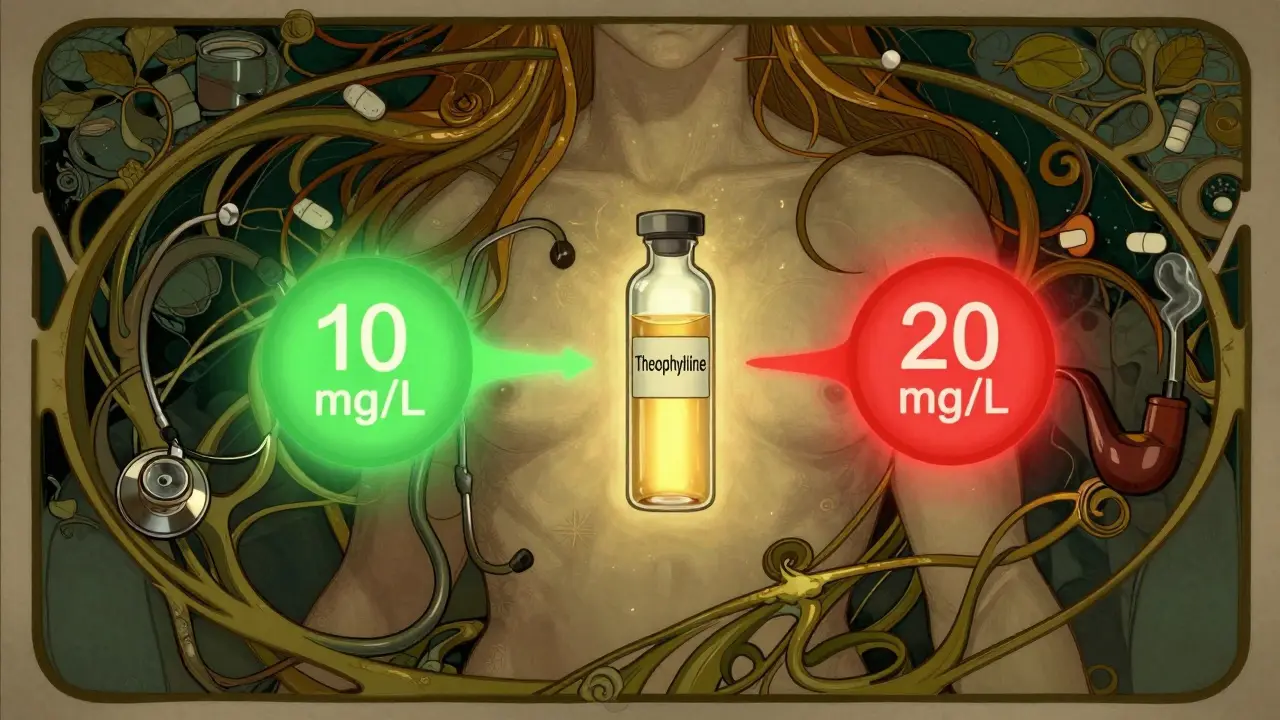
Theophylline Levels: Why NTI Monitoring Is Critical for Safe and Effective Treatment
Caspian Mortensen Jan, 26 2026 10Theophylline is a powerful but risky asthma and COPD medication with a narrow therapeutic window. Without regular blood monitoring, even small changes in dose or other medications can cause life-threatening toxicity. Learn why NTI monitoring is essential for safety.
More Detail
Medical Society Guidelines on Generic Drug Use: What Doctors Really Think
Caspian Mortensen Dec, 8 2025 15Medical society guidelines on generic drug use vary by specialty and drug type. While most generics are safe and effective, some drugs - especially those with narrow therapeutic indices - require caution. Learn what doctors, pharmacists, and regulators really think about substitution.
More Detail