
Winter Depression: Causes, Signs, and How to Manage It
When the days get shorter and the light fades, some people don’t just feel a little sluggish—they slide into winter depression, a recognized form of depression triggered by seasonal changes, often called seasonal affective disorder or SAD. Also known as seasonal affective disorder, it’s not laziness or a bad mood—it’s a biological response to reduced sunlight that affects your sleep, energy, and mood. This isn’t something you can just "snap out of." Your brain’s serotonin and melatonin levels shift, throwing off your internal clock, and that’s why you feel tired, irritable, or hopeless even when nothing obvious is wrong.
What makes winter depression different from regular depression is its predictability. It comes every year around the same time, usually starting in late fall and lifting in spring. People with it often crave carbs, sleep more than usual, and lose interest in things they normally enjoy. It’s not rare—up to 10% of people in northern climates experience it. And while it’s tied to light exposure, it’s not just about being outside more. That’s why light therapy, a treatment using special lamps that mimic natural sunlight to reset your circadian rhythm is one of the most effective tools. It’s not a gimmick. Studies show it works as well as antidepressants for many people, with fewer side effects.
But light therapy isn’t the only option. cognitive behavioral therapy, a structured, evidence-based approach that helps you change negative thought patterns and behaviors tied to the season has been proven in over 2,000 clinical studies to reduce symptoms of winter depression. It teaches you how to fight the urge to isolate, how to schedule activities even when you don’t feel like it, and how to reframe thoughts like "I can’t handle winter" into something more manageable. And when combined with lifestyle changes—like morning walks, better sleep hygiene, or even vitamin D checks—it becomes even stronger.
You’ll find posts here that dig into how antidepressants affect your brain during winter, how certain medications can make symptoms worse, and how pharmacists help people manage side effects while staying on track. Some articles talk about the hidden links between depression and chronic conditions like kidney disease or diabetes, where medication changes can impact your mood. Others show how workplace stress and burnout make winter depression harder to shake. This isn’t just about feeling sad—it’s about understanding how your body, your meds, your environment, and your mind all connect during the dark months.
What you’ll see below isn’t a list of quick fixes. It’s a collection of real, science-backed strategies—from therapy techniques to medication adjustments—that people have used to get through winter without losing their grip. Whether you’re dealing with this yourself or helping someone who is, these posts give you the facts you need to act—not just survive, but actually feel better.
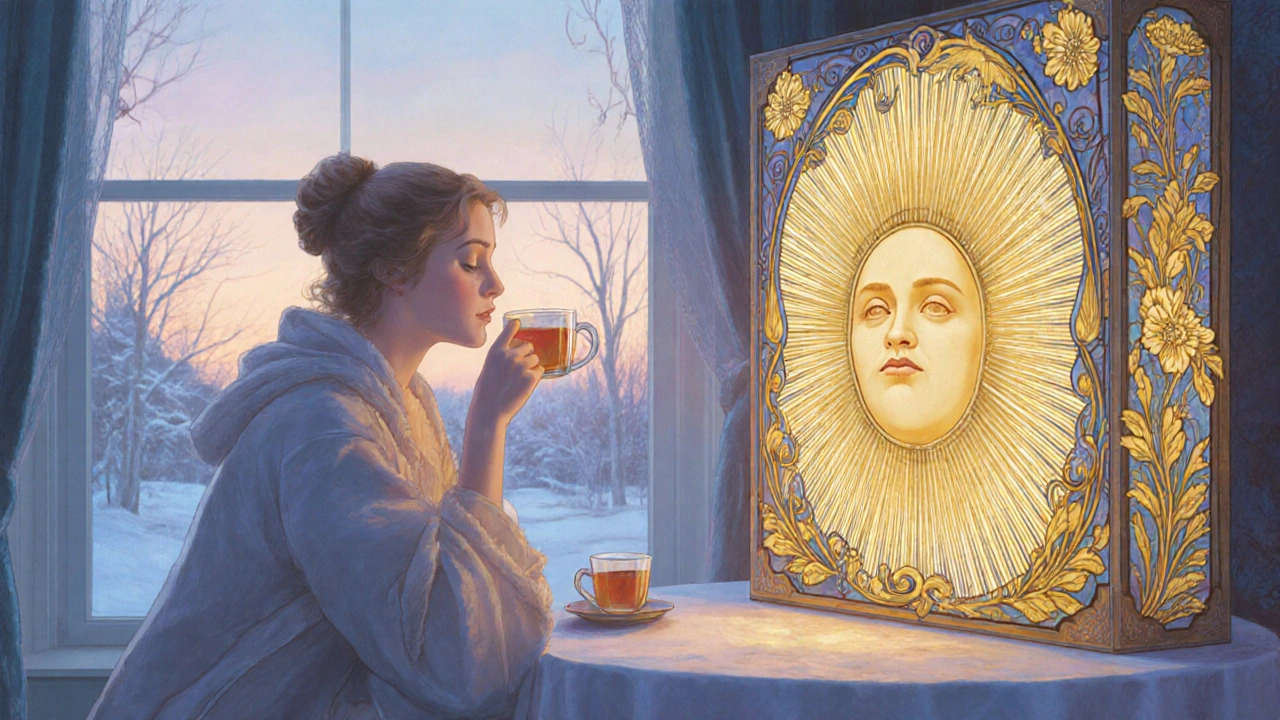
Seasonal Affective Disorder: How Light Therapy Helps with Winter Depression
Caspian Mortensen Nov, 23 2025 8Light therapy is a proven, drug-free treatment for seasonal affective disorder (SAD), helping reset your body clock and boost mood during dark winter months. Learn how it works, what devices to choose, and how to use it effectively.
More Detail