
Generic Substitution: What It Is, How It Saves Money, and When It Matters
When your pharmacist hands you a pill bottle with a different name than what your doctor wrote, that’s generic substitution, the practice of replacing a brand-name drug with a chemically identical generic version at the pharmacy level. Also known as therapeutic substitution, it’s one of the most straightforward ways to cut drug costs without sacrificing results. Most people don’t realize that the generic version of your pill has the same active ingredient, strength, and effect as the brand-name version—it just costs up to 85% less. The FDA requires generics to meet the same strict standards for safety, quality, and performance. If your doctor didn’t write "dispense as written" or "do not substitute," your pharmacist is legally allowed—and often encouraged—to make the switch.
Why does this matter? Because generic drugs, medications approved by the FDA as bioequivalent to brand-name versions are the backbone of affordable healthcare. In 2023, generics made up 90% of all prescriptions filled in the U.S., saving patients over $300 billion annually. But it’s not just about price. drug costs, the out-of-pocket expense patients pay for medications directly affect whether people take their pills. Missed doses because of cost? That leads to hospital visits, worsening conditions, and higher long-term bills. Generic substitution helps break that cycle. It’s why pharmacists push for it during counseling, why insurers require it for tiered formularies, and why Medicare Part D plans automatically switch you to generics when available.
Some people worry generics aren’t as good. They’re not. A 2020 analysis of over 1,000 studies by the FDA found no meaningful difference in effectiveness or side effects between generics and brands. The fillers, colors, or shape might change—but the medicine inside works the same. The only exceptions? A few narrow-therapeutic-index drugs like warfarin or levothyroxine, where tiny differences matter more. Even then, switching is still safe under careful monitoring. What’s more, FDA approval, the rigorous process ensuring generics meet the same standards as brand-name drugs means you’re not getting a second-rate product—you’re getting the same treatment at a fair price.
Behind every generic substitution is a system built on competition. Generic manufacturers don’t need to repeat expensive clinical trials. They just need to prove their version performs like the original. That’s why dozens of companies can make the same generic drug, driving prices down further. But not all pharmacies or insurers make it easy. Some still push brand names for rebates. Some don’t tell you a switch happened. That’s why knowing your rights matters. Ask your pharmacist: "Is there a generic?" and "Can I switch?"—it’s your right to know, and your power to save.
Below, you’ll find real-world guides on how generic substitution affects your prescriptions, how insurers play the game, how patents delay savings, and how to make sure you’re not overpaying for the same medicine. Whether you’re managing diabetes, depression, or high blood pressure, the right generic could mean hundreds saved each year—and better adherence because you can actually afford it.
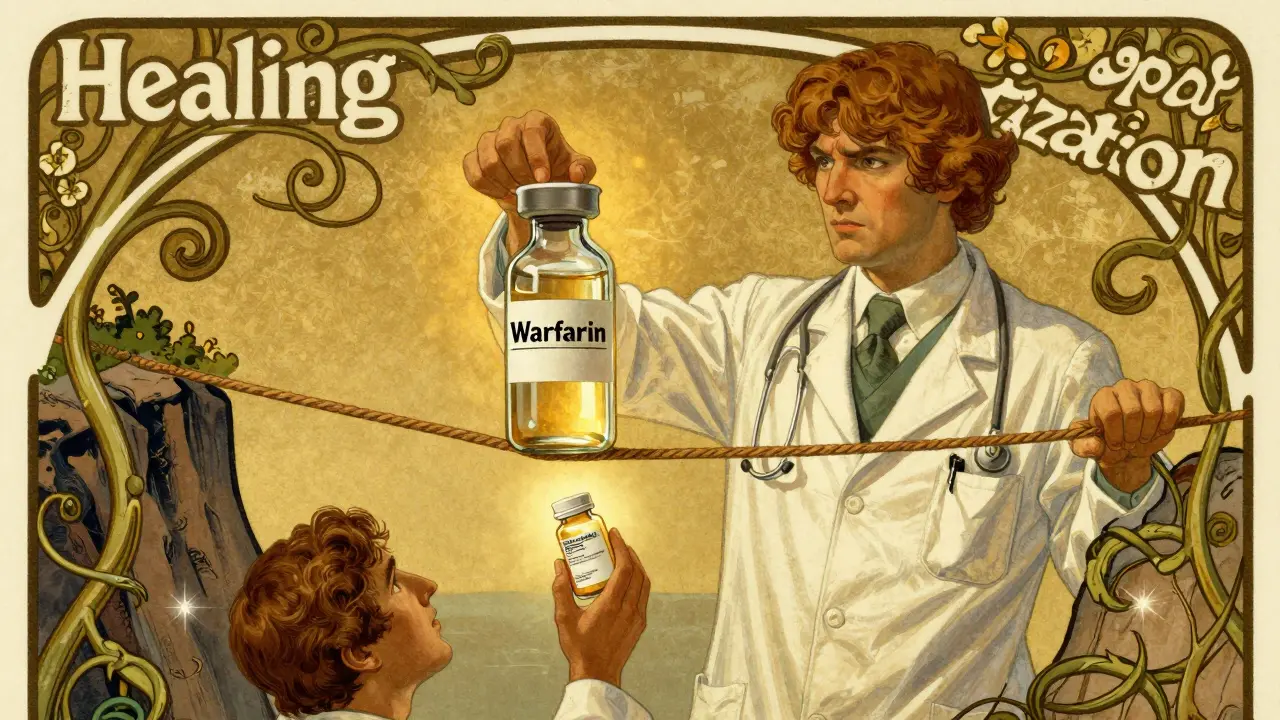
Prescriber Attitudes Toward NTI Drugs and Substitution Practices
Caspian Mortensen Jan, 29 2026 15Prescribers remain divided on substituting generic versions of narrow therapeutic index (NTI) drugs like warfarin, lithium, and levothyroxine. While generics are FDA-approved, many doctors worry about small changes in blood levels causing serious harm. State laws, patient safety, and emerging data are shaping how these swaps happen.
More Detail
How to Communicate Generic Substitution to Pediatric and Senior Patients
Caspian Mortensen Jan, 7 2026 14Learn how to explain generic drug substitutions to pediatric and senior patients in a way that builds trust, prevents refusal, and avoids dangerous misunderstandings. Real strategies for parents and caregivers.
More Detail
Medical Society Guidelines on Generic Drug Use: What Doctors Really Think
Caspian Mortensen Dec, 8 2025 15Medical society guidelines on generic drug use vary by specialty and drug type. While most generics are safe and effective, some drugs - especially those with narrow therapeutic indices - require caution. Learn what doctors, pharmacists, and regulators really think about substitution.
More Detail