
Ginkgo Biloba: Benefits, Risks, and What the Research Actually Shows
When you hear Ginkgo biloba, a traditional herbal supplement derived from the leaves of the ginkgo tree, used for centuries in Chinese medicine to support memory and circulation. Also known as maidenhair tree extract, it’s one of the most popular botanicals sold in pharmacies today. But here’s the thing: just because it’s natural doesn’t mean it’s safe for everyone. People take it hoping to boost memory, fight brain fog, or improve blood flow—especially as they get older. And while some studies show modest benefits, others find no real advantage over a placebo. The truth? It’s not a magic pill, but it’s not useless either.
Ginkgo biloba interacts with more than you might think. If you’re on blood thinners like warfarin, or antidepressants like SSRIs, it can increase your risk of bleeding or serotonin overload. That’s not theoretical—it’s documented in case reports. It also affects how your liver processes other drugs, which means it could mess with your diabetes meds, blood pressure pills, or even painkillers. And if you’re scheduled for surgery, stopping ginkgo two weeks ahead isn’t optional—it’s critical. This isn’t just about supplements. It’s about how your body handles multiple substances at once, which ties directly into topics like medication interactions, how different drugs and herbs combine to create unexpected side effects, and Type A vs Type B adverse drug reactions, the difference between predictable side effects and rare, unpredictable ones. You wouldn’t mix prescription drugs without checking with your pharmacist. Don’t treat ginkgo any differently.
It’s also worth asking: who actually benefits? Older adults with mild cognitive decline might see a slight improvement in attention or processing speed, but not in preventing dementia. Athletes take it for circulation, but evidence for performance gains is weak. And if you’re using it because you’re worried about memory lapses, you’re better off focusing on sleep, exercise, and controlling blood pressure—things proven to protect your brain far more reliably than any herb. Ginkgo biloba sits in a weird space: it’s not a scam, but it’s not a solution either. It’s a tool with limits, risks, and a very narrow set of people who might truly need it.
Below, you’ll find real posts from people who’ve dealt with the consequences of mixing herbs and meds, the hidden dangers of supplements, and how to tell if what you’re taking is helping—or hurting. Whether you’re curious about how ginkgo affects your kidneys, interacts with statins, or shows up in reports of unexplained bruising, these aren’t guesses—they’re real cases, real data, and real advice from people who’ve been there.
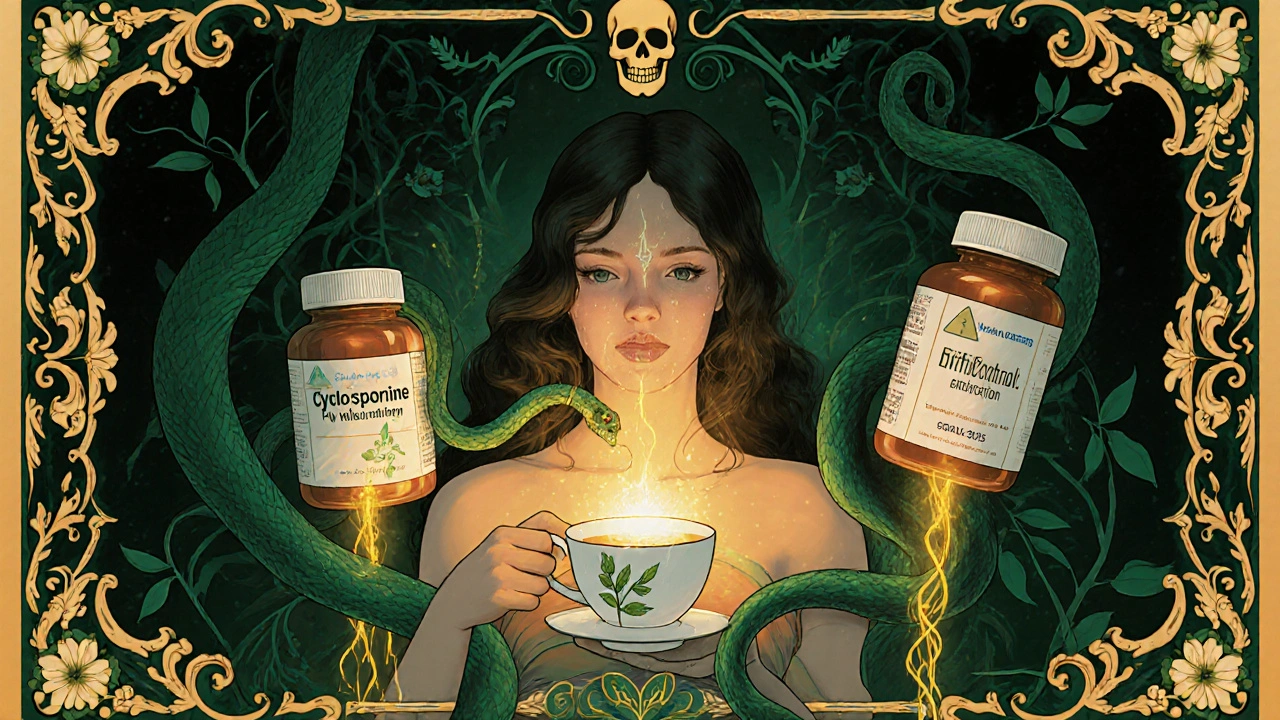
Herbal Supplements and Drug Interactions: What You Need to Know for Safety
Caspian Mortensen Nov, 27 2025 15Herbal supplements like St. John's wort and ginkgo biloba can dangerously interfere with prescription drugs, causing treatment failure or life-threatening side effects. Know which ones are risky and how to protect yourself.
More Detail