
Medication Safety and Drug Interactions in November 2025: What You Need to Know
When it comes to medication safety, the practice of using drugs correctly to avoid harm while maximizing benefits. Also known as drug safety, it’s not just about taking pills as directed—it’s about understanding how they behave in your body, with other meds, and over time. In November 2025, our most-read posts dug into real-world dangers that most people never see coming: a common painkiller stacking up with a blood pressure med and causing kidney trouble, or a diabetes drug triggering ketoacidosis even when blood sugar looks normal. These aren’t rare edge cases—they’re preventable mistakes happening every day because the risks aren’t clearly explained.
One of the biggest blind spots is drug interactions, when two or more substances change how each other works in your body. This includes not just prescription pills, but also herbal supplements like St. John’s wort or ginkgo biloba, which can shut down the effect of your antidepressant or blood thinner. Even generic medications, lower-cost versions of brand-name drugs that meet the same FDA standards. Also known as generic drugs, they’re just as safe—but their impact can shift if you’re mixing them with other substances you assume are harmless. And then there’s kidney function, how well your kidneys filter toxins from your blood. Many drugs, especially older antidepressants and diabetes meds, build up if your kidneys slow down, leading to heart rhythm issues or dangerous sodium drops. Yet few patients are told to get a simple blood test before starting these meds. These aren’t abstract concepts—they’re daily decisions that can mean the difference between feeling better and ending up in the ER.
What you’ll find below isn’t theory. It’s real stories from people who didn’t know their sleep aid was fogging their memory, or that their new weight-loss drug was raising their risk of muscle breakdown. We break down how to spot warning signs before it’s too late, how to ask your pharmacist the right questions, and how to cut costs without cutting corners. From light therapy for winter depression to home dialysis schedules and how pharmacists help workplaces save money with generics, every post here is grounded in what’s actually happening in clinics, pharmacies, and homes right now. You don’t need a medical degree to protect yourself—just the right information, clearly explained.

Rhabdomyolysis from Medication Interactions: How Common Drugs Can Cause Muscle Breakdown
Caspian Mortensen Nov, 29 2025 8Rhabdomyolysis from medication interactions is a dangerous but preventable condition that causes muscle breakdown and kidney failure. Learn which drug combos are most risky and what to do if you notice warning signs.
More Detail
Herbal Supplements and Drug Interactions: What You Need to Know for Safety
Caspian Mortensen Nov, 27 2025 15Herbal supplements like St. John's wort and ginkgo biloba can dangerously interfere with prescription drugs, causing treatment failure or life-threatening side effects. Know which ones are risky and how to protect yourself.
More Detail
MedWatch vs VAERS: How to Report Drug and Vaccine Side Effects Correctly
Caspian Mortensen Nov, 26 2025 15Learn how MedWatch and VAERS work to track drug and vaccine side effects. Know which system to use, why reporting matters, and how these tools help keep medicines safe.
More Detail
Cognitive Behavioral Therapy: The Proven Psychological Treatment for Anxiety, Depression, and More
Caspian Mortensen Nov, 24 2025 10Cognitive Behavioral Therapy (CBT) is the most researched psychological treatment for anxiety, depression, OCD, and PTSD. With over 2,000 clinical studies backing it, CBT helps you change unhelpful thoughts and behaviors through structured, evidence-based techniques.
More Detail
Seasonal Affective Disorder: How Light Therapy Helps with Winter Depression
Caspian Mortensen Nov, 23 2025 8Light therapy is a proven, drug-free treatment for seasonal affective disorder (SAD), helping reset your body clock and boost mood during dark winter months. Learn how it works, what devices to choose, and how to use it effectively.
More Detail
Workplace Stress and Burnout: Proven Prevention and Recovery Strategies for 2025
Caspian Mortensen Nov, 22 2025 9Workplace burnout is a systemic issue, not a personal failing. Learn proven prevention and recovery strategies backed by 2025 research, from manager-led interventions to boundary-setting and AI-driven tools.
More Detail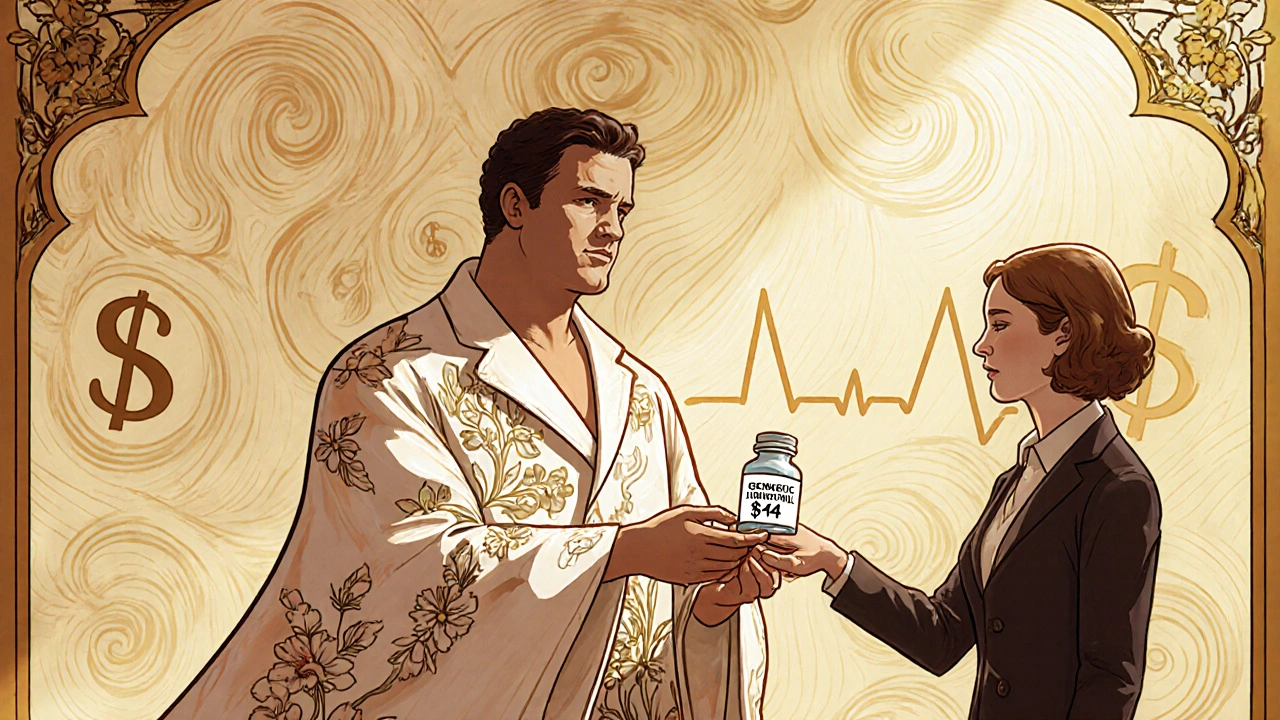
How Pharmacists Drive Workplace Wellness by Promoting Generic Medications
Caspian Mortensen Nov, 21 2025 18Pharmacists play a vital role in workplace wellness by promoting generic medications to improve adherence, cut costs, and save lives. Learn how they help employees take the right meds at the right price.
More Detail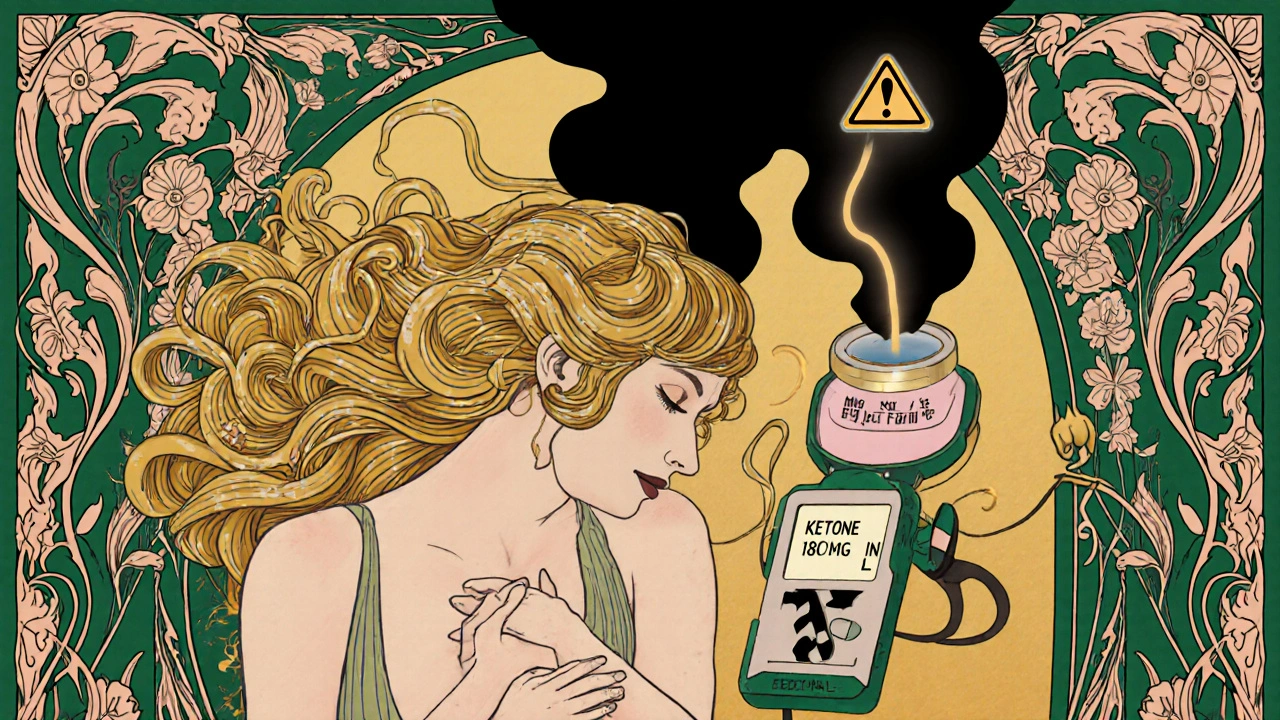
Euglycemic DKA on SGLT2 Inhibitors: How to Recognize and Treat This Hidden Emergency
Caspian Mortensen Nov, 20 2025 10Euglycemic DKA on SGLT2 inhibitors is a dangerous condition where diabetic ketoacidosis occurs without high blood sugar. Learn the symptoms, how to diagnose it, and what emergency care looks like-before it's too late.
More Detail
Diet and Autoimmunity: Evidence for Anti-Inflammatory Eating Patterns
Caspian Mortensen Nov, 19 2025 8Anti-inflammatory diets like Mediterranean, AIP, and keto can reduce inflammation and improve symptoms in autoimmune diseases. Evidence shows lower CRP levels, less pain, and fewer flares with whole-food, plant-rich eating patterns.
More Detail
The Impact of Dosulepin on Kidney Function: What to Expect
Caspian Mortensen Nov, 18 2025 9Dosulepin can build up in your system if your kidneys aren't working well, raising risks of heart problems and low sodium. Learn how to monitor kidney function, recognize warning signs, and choose safer alternatives if needed.
More Detail