
Supplement Safety: What You Need to Know Before Taking Any Pill
When you grab a bottle of supplements, concentrated substances taken to improve health, often without a prescription. Also known as dietary supplements, they're sold as pills, powders, or liquids—but they're not regulated like drugs. That means what’s on the label isn’t always what’s inside. Many people assume "natural" means safe, but that’s a dangerous myth. Some supplements contain hidden drugs, toxic metals, or unapproved stimulants. Others interact badly with your prescriptions—like when a common herbal pill stops your blood thinner from working, or boosts your blood pressure when you’re on a beta-blocker.
Supplement interactions, how dietary supplements affect the way medications work in your body are one of the biggest hidden risks. Take St. John’s Wort: it can knock out antidepressants, birth control, and even heart meds. Or vitamin K, which fights the effect of warfarin. Even something as simple as calcium can block thyroid or antibiotic absorption. These aren’t rare cases—they happen every day in kitchens and pharmacies across the country. And because supplements don’t need FDA approval before sale, there’s no safety net. The FDA supplement regulation, the limited oversight system that only acts after harm is reported moves slowly, if at all. By the time a dangerous product gets pulled, thousands may have already taken it.
Then there’s the issue of supplement side effects, unintended physical reactions caused by taking dietary supplements. Liver damage from weight-loss pills. Kidney stress from high-dose creatine. Heart rhythm problems from energy boosters loaded with caffeine and herbal stimulants. These aren’t just "mild" side effects—they’ve landed people in the ER. And because most people don’t tell their doctors what they’re taking, these reactions go unnoticed until it’s too late. Even "safe" supplements like fish oil or vitamin D can be harmful if you’re already on blood thinners or have kidney disease.
You don’t need to avoid supplements entirely. But you do need to treat them like real medicine. Check for third-party testing seals (USP, NSF, ConsumerLab). Look up interactions with your meds using trusted sources—not a random blog. Talk to your pharmacist before starting anything new. And if you feel off after starting a new pill—dizzy, nauseous, jittery, or unusually tired—stop it and get it checked. The truth is, most people don’t need most supplements. A balanced diet, enough sleep, and regular movement do more than any pill ever could. But if you’re taking one, know what you’re putting in your body. That’s not paranoia. That’s supplement safety.
Below, you’ll find real stories, hard facts, and practical warnings about what’s really in those bottles—and what they might be doing to you.
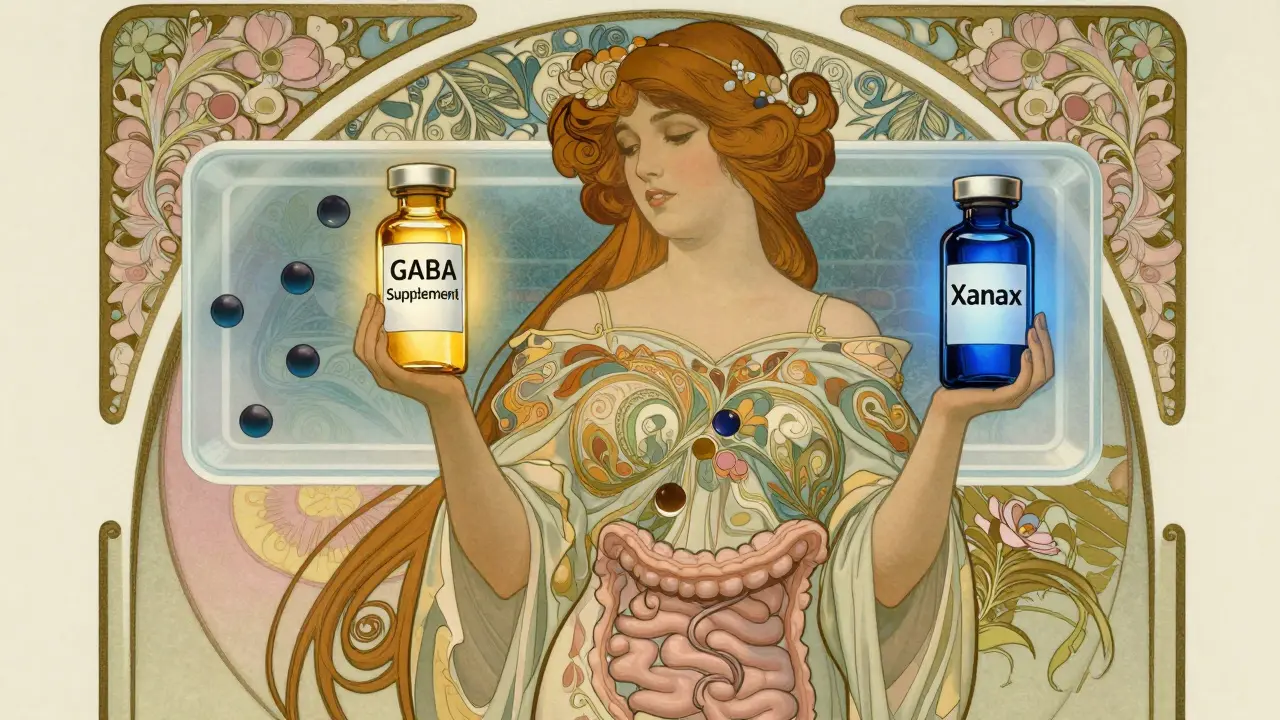
GABA Supplements and Sedatives: Do They Really Cause Additive CNS Depression?
Caspian Mortensen Jan, 31 2026 11GABA supplements don't significantly cross the blood-brain barrier, making dangerous interactions with sedatives extremely unlikely. Learn the real risks and what supplements actually pose a threat.
More Detail
Herbal Supplements and Drug Interactions: What You Need to Know for Safety
Caspian Mortensen Nov, 27 2025 15Herbal supplements like St. John's wort and ginkgo biloba can dangerously interfere with prescription drugs, causing treatment failure or life-threatening side effects. Know which ones are risky and how to protect yourself.
More Detail